
Things I Will DIY: Paint, Caulk, and Changing a Shower Head. That's the List.

Let’s run the numbers.
Painting one average rental living room and kitchen myself: about $220 in materials. Professional quote: $650–$950.
Caulking all the bathrooms in one property: $35 in supplies. Handyman: easily $150–$250.
New shower heads across four units: $18 each. Total under $80. Plumber or handyman: $120+ per unit.
I do these three things myself because the math works and the risk is low. Everything else? I write the check and protect my weekends.
Here’s exactly how I handle them now. No fluff. Just the system that survived four properties and too many mistakes.
Paint: My Go-To Process
I paint between tenants. Every time. Fresh neutral color makes the place feel new without spending stupid money.
Color choice is boring on purpose. Sherwin Williams Agreeable Gray or Revere Pewter. Light, versatile, hides dirt better than bright white. Semi-gloss in kitchens and baths for easy cleaning. Flat or eggshell everywhere else.
My painting checklist (the one I actually print)
Remove all outlet covers and light fixtures (label them in a bag).
Fill nail holes with spackle. Sand smooth.
Clean walls with TSP substitute. Tenants leave mystery marks.
Tape baseboards and trim if I’m feeling patient. Most times I freehand carefully.
Two coats. Always. Cheap paint requires three. I buy the good mid-grade stuff.
Put everything back. Take photos for records.
Time: One full Saturday for a 1,200 sq ft main area if I hustle.
Biggest mistake early on: Painting over dirty walls. The new paint peeled in one bathroom within six months. Learned that lesson once.
Another mistake: Using the absolute cheapest paint. It looks okay for three months then scuffs like crazy. Now I spend the extra $40 per gallon and thank myself later.
Ventilation matters. North Carolina summers are humid. Open windows, use fans. I once painted without good airflow and the place smelled for days. Tenant complained. Fixed that fast.
Caulk: The $35 Job That Saves Headaches
Moldy caulk around tubs and sinks is the fastest way to lose a good tenant or fail inspection.
I replace it every turnover. Simple.
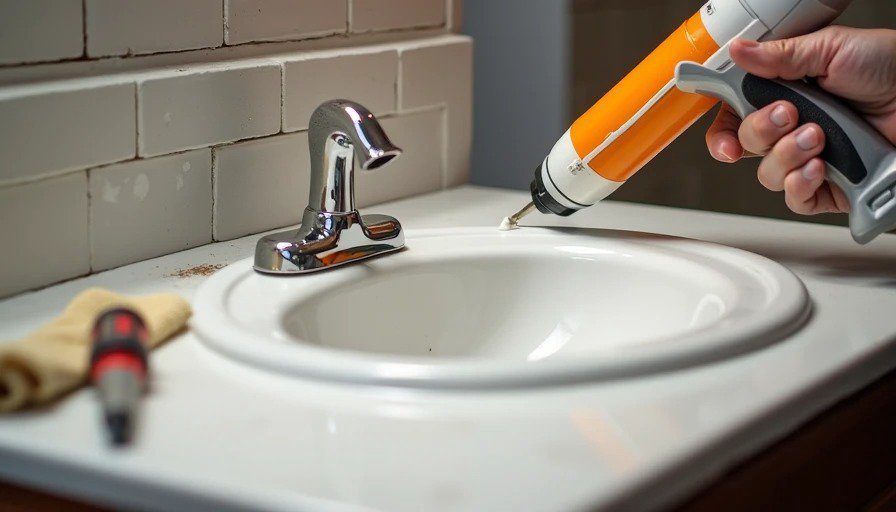
Tools: Good caulk gun, painter’s caulk (latex, paintable, mold-resistant), utility knife, damp rag, paper towels.
Steps:
Cut out old caulk completely. Don’t half-ass it.
Clean the joint with bleach solution or bathroom cleaner. Dry thoroughly.
Apply new caulk in a smooth bead.
Tool it with a wet finger or caulk tool for concave finish.
Wipe excess immediately.
Let cure 24 hours before use.
I use GE Silicone II for showers sometimes — better water resistance but harder to paint over. Latex for everywhere else.
This job takes me under two hours per bathroom now. Used to take longer because I didn’t clean properly first. Mold came back. Now it stays gone.
Pro tip: Keep a small tube in the tenant welcome packet. Tell them how to touch up minor spots. Reduces my call volume.
Shower Heads: The Easiest Win
This is pure laziness prevention on my part.
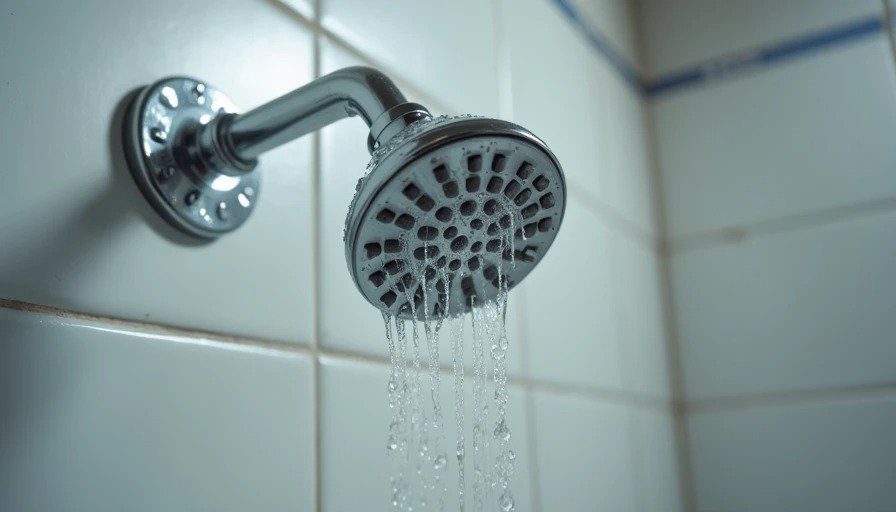
Old shower heads clog, leak, or have terrible pressure. Tenants call. I replace them proactively.
Buy basic high-pressure models. 2.5 GPM or less to meet codes. Chrome finish. Nothing fancy.
Installation:
Turn off water at the valve.
Unscrew old head (usually hand tight plus some mineral buildup).
Wrap plumber’s tape on threads.
Screw on new one. Hand tight plus quarter turn.
Test for leaks.
Done in ten minutes per unit.
I’ve upgraded maybe eight shower heads so far. Total cost under $150. Zero leaks when done right. Tenants notice the better pressure and mention it in reviews sometimes. Small win.
Where I Draw the Hard Line
I will not DIY:
Electrical beyond swapping a light fixture.
Plumbing that involves opening walls.
Anything on a ladder higher than I’m comfortable.
Flooring installs.
Countertops (learned that one already).
The time I tried installing a dishwasher myself? Seven hours. Flooded the floor slightly. Had to call my ex for moral support while Chloe brought me ice packs for my back. Never again.
That job cost me more in time and stress than just paying Mike $180.
Tools I Actually Keep in the Car
Small toolkit lives in my SUV:
Cordless drill/driver
Painter’s tools (brushes, rollers, trays)
Caulk gun + spare tubes
Basic wrench set and channel locks
Voltage tester
Shop vac
Drop cloths and tape
I restock after every big job. No hunting for supplies mid-project.
The Real Cost of My Time
Here’s the honest part.
I’m a single mom with a full-time job. Weekends are limited. Every hour I spend painting is an hour I’m not hiking the greenway with Otis or watching Ethan’s games.
But those hours save real money that goes into the college funds and the emergency reserve.
I track my DIY hours versus savings in the master spreadsheet. Right now my effective “hourly rate” for these tasks is around $45–$65 after materials. Worth it for me. Might not be for everyone.
If you have young kids or hate the smell of paint, outsource it. The numbers have to work for your life, not just the bank account.
Why This Short List Works for Me
Three skills. Mastered them. Repeatable across properties. Low risk of major disaster. Visible results that tenants notice.
Everything else gets evaluated case by case. Some jobs I supervise. Some I pay for completely.
This approach keeps me sane. The rentals stay in good shape. I’m not burning out.
Paint covers a multitude of sins. Good caulk prevents bigger problems. Working shower heads keep people happy.
Simple. Effective. Data-backed.
If it won’t survive the tenants and it takes me more than one focused Saturday, I hire it out and move on.
What’s on your personal DIY list? Drop it in the comments. I’m always updating my own based on what actually works for other small-scale landlords.
Let’s keep it practical.
Keep Reading

Landlord Approved Light Fixtures and Hardware That Actually Hold Up
Landlord approved light fixtures and hardware for rentals: durable, affordable p...
Best Toilet for Rental Properties Clog Resistant: What I Would Buy
best toilet for rental properties clog resistant options for landlords who want ...
Scratch Resistant Countertops for Rental Kitchens: What Actually Pays Back
Scratch resistant countertops for rental kitchens can cut turnover headaches. Co...
Owner Letters
0 lettersNo letters yet — be the first to write one.