
What Is a Half Duplex House? A Small-Landlord Guide

If you are asking what is a half duplex house, you are probably looking at a property listing that sounds simple but is not quite clear. I get it. Real estate listings love terms that make you open three more tabs. A half duplex is generally one side of a duplex building, with two separate homes sharing a wall, roof structure, or foundation. You buy or rent one unit rather than the entire two-unit property.
That distinction matters for landlords. A half duplex can offer lower entry costs than a standalone house while still giving you a full residential unit to rent. But shared walls, shared maintenance, and legal ownership details can turn a seemingly easy rental into a spreadsheet headache. Let's run the numbers before you fall in love with the cute front porch.
What is a half duplex house in practical terms?
A duplex is a building divided into two separate living units. Each unit typically has its own entrance, kitchen, bathrooms, bedrooms, utilities, and address or unit designation. When someone asks what is a half duplex house, the practical answer is usually one of those two units sold separately or occupied separately.
The units might sit side by side, like two narrow houses joined at the middle. They might also be stacked, with one apartment above another. Side-by-side layouts are common in many suburban markets because each resident can have a private entrance and some outdoor space. The shared wall is the big difference from a single-family detached house.
A half duplex is not automatically a condominium. Some are legally structured as condominiums, with a homeowners association and shared common elements. Others are platted as separate lots, with each owner holding title to one side. The listing photos will not tell you which arrangement applies. The deed, title commitment, survey, and governing documents will.
That paperwork is not optional reading. If you are buying for a rental, spend the money on a real estate attorney or title professional when the ownership structure is confusing. One unpleasant surprise can cost more than the consultation.
How ownership and shared maintenance work
The most important question after what is a half duplex house is this: what exactly do you own? In one setup, you own the interior and exterior of your half, plus the land beneath it. In another, you own a condominium unit and share responsibility for the roof, foundation, exterior walls, driveway, or landscaping through an association.
Read the maintenance agreement like you are checking a vendor contract at work. Who repairs the roof after a storm? Who pays when the shared sewer line backs up? Can one owner replace windows without the other owner's approval? Is there a reserve fund? Are pets, rentals, or exterior paint colors restricted?
A $6,000 roof repair split evenly sounds manageable. A $14,000 foundation problem with no agreement on responsibility is how a weekend landlord ends up in mediation. Get the answers in writing before closing.
Utilities need the same attention. Separate electric meters are helpful. A shared water line is common, but you need a fair billing process. If the units share one HVAC system, stop and investigate. That arrangement can create arguments over thermostat settings, repair bills, and access. It is not impossible to manage, but it is not the cleanest rental setup either.
The landlord math: cheaper entry, shared risk
The appeal is easy to understand. A detached rental in a desirable neighborhood might cost $325,000, while one side of a duplex could cost $235,000 to $275,000. The exact discount depends on the market, condition, and whether the half duplex is legally independent. A lower purchase price can reduce the down payment and leave room for repairs.
Here is a simple example. Suppose you buy a half duplex for $250,000 with 25% down. That is $62,500 before closing costs, inspections, and initial work. If comparable rent is $1,850 per month, gross annual rent is $22,200. From there, subtract taxes, insurance, vacancy, repairs, management, utilities, and debt service. Do not call the remaining amount profit until the full spreadsheet agrees.
A $12,000 renovation does not become smart just because the kitchen looks tired. If new cabinets and counters add $75 in monthly rent, the gross payback takes more than 13 years before financing and maintenance. I made a similar mistake once with a bathroom tile project. Chloe had to bring me ice packs after I spent a Saturday crawling around on the floor. The lesson was not “never renovate.” It was “measure the rent increase first.”
For a half duplex, also budget for shared-property friction. Legal fees, association dues, joint insurance questions, and delayed decisions are real costs. They belong in your analysis beside paint and plumbing.
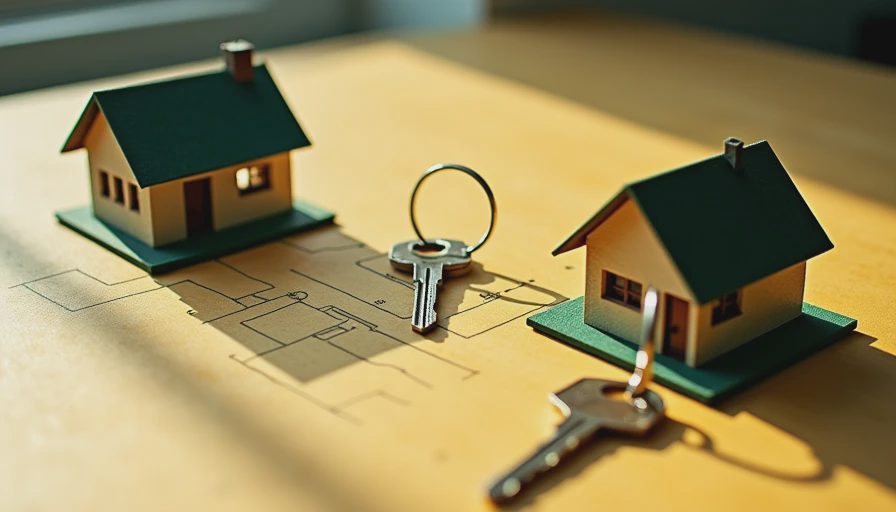
Half duplex versus detached rental
The difference between a half duplex and a detached house is not just the shared wall. It changes the tenant experience and your maintenance strategy. A detached house usually gives the renter more privacy and may command stronger demand from families with pets or children. A half duplex can compete well when it offers a private entrance, parking, laundry, and a usable yard at a lower monthly rent.
Noise is the obvious concern. Construction quality matters more than listing language. Ask whether the shared wall has insulation and fire separation. During your inspection, visit when the neighboring unit is occupied if possible. Listen from the bedroom, living room, and bathroom. A quiet five-minute test is not perfect, but it beats discovering every television conversation after move-in.
Parking is another deal-maker. Two units and one driveway can create daily conflict. Confirm where tenants, guests, and contractors park. Put the arrangement in the lease. A small property can become surprisingly unpleasant when one tenant blocks the other before work.
The half duplex format can still work beautifully. A clean two-bedroom unit with separate laundry and one reserved parking space may attract a long-term tenant who does not need a huge yard. Lower square footage can also mean less flooring, fewer windows, and fewer exterior surfaces to maintain.
Due diligence before you buy
If you are still asking what is a half duplex house, the next step is not another listing search. It is a document checklist. First, confirm the legal description and whether the unit is fee-simple, condominium, or part of another ownership arrangement. Second, review association budgets, meeting minutes, rules, insurance requirements, and pending assessments. Third, obtain an insurance quote for the actual structure and use, not a generic homeowner estimate.
Then inspect the shared components. Look at the roof age, foundation drainage, attic separation, exterior siding, chimneys, plumbing connections, electrical panels, and sewer routes. Ask for permits and invoices for major work. A fresh coat of gray paint can hide exactly nothing important.
Get a rent analysis based on nearby comparable units, not the seller's optimistic projection. Call property managers and ask what a similar unit would realistically rent for, how long it might sit vacant, and what tenant complaints are common. A $150 consultation can protect a six-figure purchase.
Finally, call the lender before making an offer if the property has unusual legal or insurance details. Financing a condominium unit, a townhouse-style half duplex, and a separately deeded side of a duplex can involve different underwriting questions.
Is a half duplex right for a small landlord?
What is a half duplex house from an investment perspective? It is a lower-cost entry into residential rentals with a built-in relationship to another owner or household. That can be efficient. It can also be exhausting if responsibilities are vague.
I would consider one when the unit has separate utilities, clear title, documented maintenance responsibilities, adequate parking, and rental demand supported by actual comparable listings. I would be cautious when the roof, driveway, HVAC, or insurance is shared without a written agreement. I would walk away from a deal where the other owner refuses inspections or says, “We have always just figured it out.” That sentence has funded many emergency plumbing calls.
The best property is not the one with the prettiest listing photos. It is the one whose income, maintenance obligations, insurance, and exit options fit your life. If it will not survive a tenant's dog, a rainy season, and your Tuesday-night schedule, it does not belong in your portfolio.
So, what is a half duplex house? It is one side of a two-unit residential property, and its success depends less on the label than on the legal documents and numbers underneath. Read everything. Price every repair. Then decide with a spreadsheet instead of a feeling.
Keep Reading

How to Find Investors for Real Estate Without Feeling Like a Salesperson
How to find investors for real estate: build a credible deal, meet the right peo...

How to Build a Rental Portfolio Without Losing Your Weekends
Learn how to build a rental portfolio with realistic numbers, tenant-proof syste...

Hospitable vs Lodgify: Which Vacation Rental Software Makes Sense?
hospitable vs lodgify: compare pricing, automation, direct bookings, and support...
Owner Letters
0 lettersNo letters yet — be the first to write one.