
"But It's an Investment Property" — When That Justifies Bad Spending
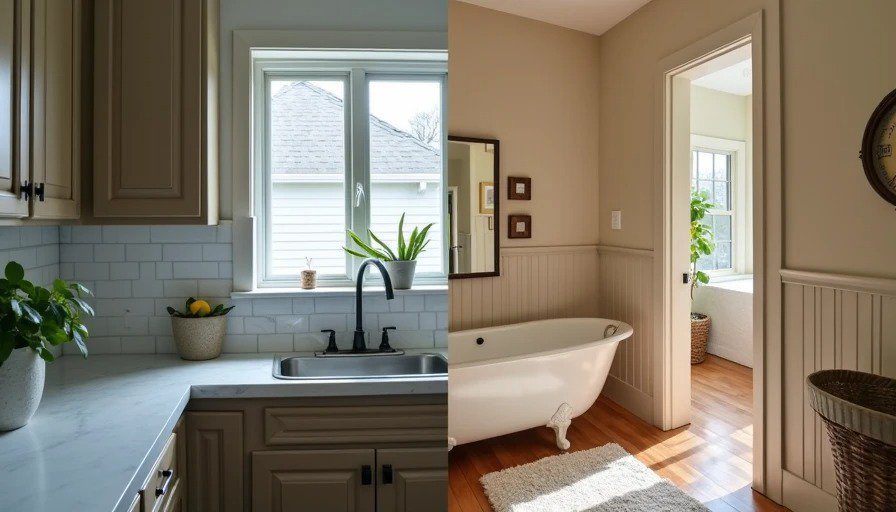
Let’s run the numbers. Ruthlessly.
“But it’s an investment property” has justified more bad decisions than almost any other phrase in real estate. I’ve said it myself. I’ve caught myself mid-decision and stopped. This post is the reality check I wish I had earlier.
Across my four single-family rentals in the Charlotte area, I’ve made both smart upgrades and expensive mistakes. Here’s the detailed framework I use now to separate good spending from emotional or ego-driven waste. With real costs, real returns, and the spreadsheets that keep me honest.
The Dangerous Mindset
Investment property sounds professional. It makes luxury finishes or unnecessary features feel justified. “Tenants will love it.” “It’ll increase value.” “I deserve nice things too.”
But tenants in my mid-tier market don’t pay premium for granite when good laminate works. They want functional, clean, reliable. Not Instagram-worthy.
My supply chain brain demands ROI. Payback period under 24 months for most cosmetic work. Longer for structural.
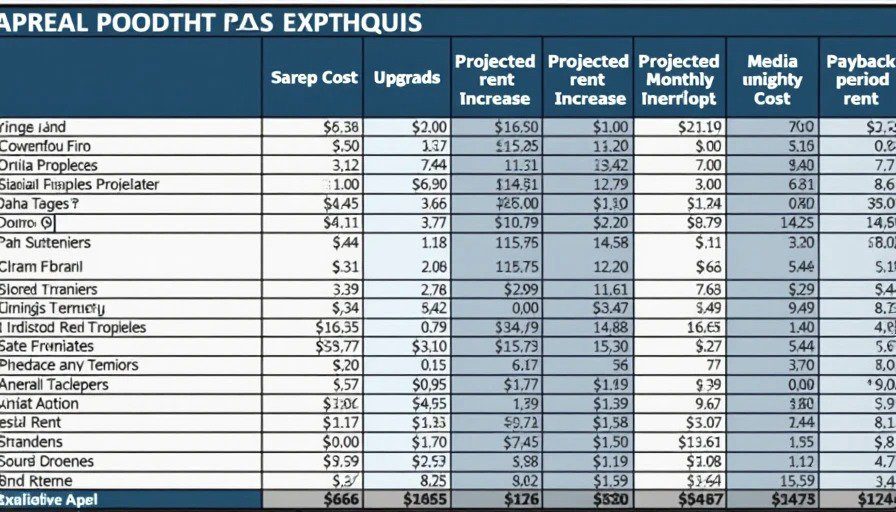
Case Study 1: The Kitchen Counter Mistake (Recap with More Data)
Earlier I mentioned the $3,200 quartz counters that raised rent by $0. Let’s go deeper.
Property details: 1998 ranch, mid-tier neighborhood.
Pre-upgrade rent: $2,150.
Post: Still $2,150.
Comps showed similar homes with full kitchen updates renting higher, but isolated counter upgrade didn’t move the needle.
Total cost including my time: $3,450.
Depreciation benefit: Minor.
Actual ROI: Negative for years.
Lesson: Isolated cosmetic upgrades rarely justify themselves unless part of larger refresh or pre-sale.
Case Study 2: The HVAC Upgrade That Paid For Itself
Different property. Older unit with failing system.
Quotes: $4,800 for new high-efficiency unit.
I ran the numbers:
Energy savings for tenant (and me via lower vacancy risk).
Reliability reducing emergency calls.
Potential rent bump of $75–$100.
Paid for itself in under 3 years through combination of savings and stability. Good spend. Justified.
My Decision Framework (The Checklist I Actually Use)
Will it meaningfully increase rent or reduce vacancy/maintenance? Quantify.
Payback period? Under 18–24 months preferred for cosmetics.
Does it survive Otis/tenant test? Durability first.
Is it market-appropriate? Don’t over-improve for the neighborhood.
Alternative cheaper options? Always explore.
My time/energy cost? Include in total.
Portfolio fit? Consistent standards across properties.
If it fails multiple, walk away.
Common Traps I See (and Fell Into)
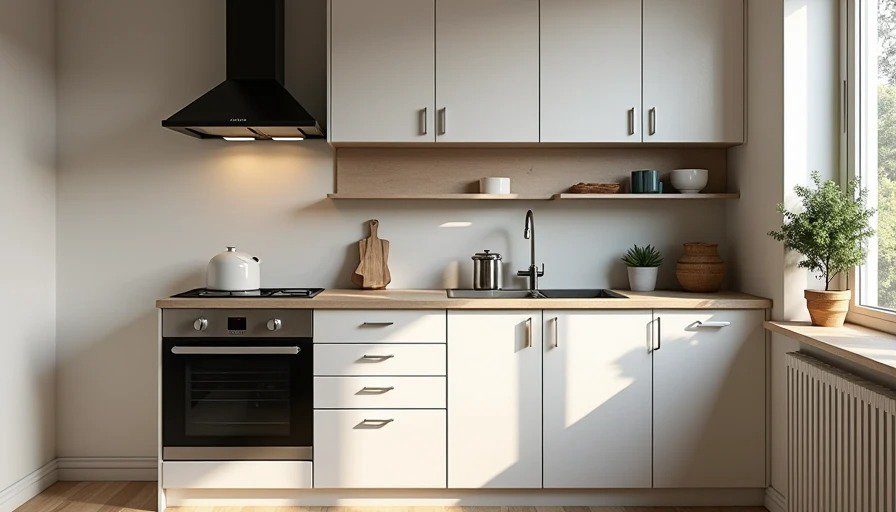
“Luxury” finishes in average rentals.
Following design trends instead of data.
Emotional attachment (“I want it nice”).
Fear of missing out on appreciation.
Appreciation happens regardless of countertops in growing Charlotte suburbs. Cash flow and risk management matter more for small landlords.
Detailed Cost vs Value Examples
Paint Refresh: $650–$950. Rent impact: Often $50+. Payback fast. Good.
Full Kitchen Gut: $12k–$25k. Needs strong rent increase or sale. Risky for me now.
Flooring Upgrade to LVP: $4k–$6k. High durability, good ROI.
Smart Home Gadgets: Usually waste unless tenant demographic pays premium.
I track every upgrade in the master spreadsheet. Categories, costs, dates, outcomes. The data doesn’t lie even if my gut wants fancy tile.
The Supply Chain Perspective
Treat each property like a production line. Inputs (costs) should produce outputs (cash flow, equity) efficiently. Waste is waste whether it’s in logistics or rentals.
Standardization across doors reduces long-term costs.
When “Investment Property” Does Justify Spending
Safety or code issues.
Major systems (roof, HVAC, plumbing).
Upgrades that significantly extend asset life.
Pre-sale or refinance optimizations.
Targeted improvements for higher-rent submarkets.
For my current portfolio, I stay disciplined. Building retirement, not an empire.
Personal Reflection
Divorce gave me these assets. I honor that by managing them responsibly, not flashily. The kids see me making thoughtful decisions. That’s the real legacy.
Otis doesn’t care about quartz. He cares about walks and stability.
Run the numbers first. Always. “Investment property” is not a blank check.
What’s a spending decision you regret or are proud of? Let’s discuss real data.
Keep Reading
Cap Rate vs Cash-on-Cash Return: The Landlord's Practical Guide
Cap rate vs cash-on-cash return explained for small landlords. See which measure...

How to Calculate Rehab Costs for a Rental Property Without Guessing
Learn how to calculate rehab costs for a rental with labor, materials, permits, ...

How to Value a Property Management Company Without Guessing
How to value a property management company using income, market, and asset metho...
Owner Letters
0 lettersNo letters yet — be the first to write one.