
I Spent $3,200 on Kitchen Counters. It Raised Rent by Zero Dollars. Let's Talk
Let’s run the numbers.
$3,200. That’s what I spent. Not on a full gut renovation. Just counters. One property. One Saturday decision that turned into a three-week headache.
And the rent? Stayed flat. $2,150 before. $2,150 after. Zero lift.
I’m not mad. Just… educated. This is exactly why I started this site. Because those shiny before-and-after pics on Instagram don’t show the spreadsheet at the end.
The Property in Question
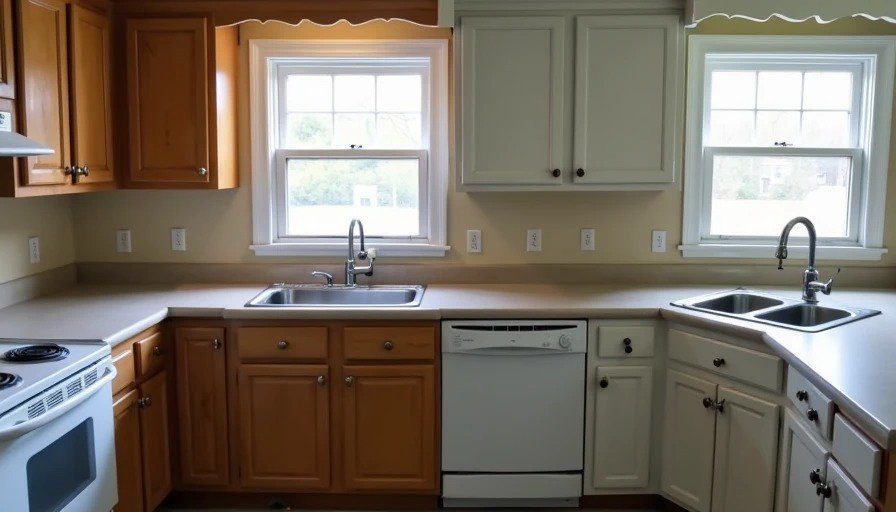
It was the 1998 ranch I bought second. Good bones. Terrible 90s laminate counters that were peeling at the edges and stained no matter how much I scrubbed. Tenants complained. Not loudly enough to break lease, but enough that I knew it was time.
I walked the property with my usual handyman, Mike. He quoted $4,800 for quartz with full install. I said no. Then I shopped around.
Found a local supplier in Charlotte who had remnant slabs. Saved a ton. Ended up with mid-grade quartz — not the fancy veined stuff, but solid gray with minimal pattern. 42 square feet of counter space plus backsplash pieces.
Material: $1,680
Fabrication and edging: $920
Removal and install: $520
Misc (plumbing adjustments, caulk, etc.): $80
Total out the door: $3,200.
I did the demo myself. Saved another $300. My back still reminds me of that choice some mornings.
Why I Thought It Would Pay Off
My supply chain brain kicked in. New counters = nicer kitchen = happier tenants = longer stays or higher rent. Right?
I looked at comps in the neighborhood. Similar homes with updated kitchens were renting for $150–$250 more. But those had full updates — appliances, flooring, paint, counters. Not just counters.
I ran the math anyway.
Break-even period at $200 extra rent: 16 months.
At $100 extra: 32 months.
At $0: never.
Guess which column we landed in.
The Real-World Rental Math
Here’s the deeper truth most guru types skip.
In the Charlotte suburbs — Matthews, Mint Hill, Indian Trail — tenants in the $2,000–$2,500 range care about functional kitchens. They want clean, working appliances, and enough counter space to make dinner. They don’t pay premium for quartz versus good laminate if everything else is the same.
I learned this the hard way across all four doors.
One property still has original laminate from 2006. It’s holding up fine. Tenants don’t love it, but they stay because the HVAC is reliable and the yard is fenced for dogs.
Another has granite from the previous owner. Rents for the same as the quartz one. No statistical difference.
Quick Cost Comparison Table (my actual averages)
Laminate refresh (new tops only): $800–$1,200. Lifespan in rental: 5–8 years.
Quartz install: $3,000–$5,000. Lifespan: 15+ years.
Granite: Similar to quartz but more sealing hassle.
Butcher block or fancy stuff: Don’t even start.
Per-year cost for quartz over 15 years: roughly $213–$333 depending on install price.
Does it reduce maintenance calls? Slightly. Tenants are less likely to destroy quartz than laminate. But the repair calls I get are rarely about counters. It’s usually toilets, HVAC, or “I dropped my phone in the garbage disposal.”
What I Would Do Differently Now
Hindsight is brutal.
I would have gone with a high-quality laminate upgrade instead. Modern laminates look decent and cost half as much. For $1,600 total I could have refreshed and pocketed the difference.
I should have raised rent at the next turnover, not mid-lease. Lesson learned. Cosmetic upgrades during tenancy rarely justify immediate increases.
Target properties differently. If I’m buying in a higher-rent bracket ($2,800+), then quartz makes more sense. My current portfolio is solidly mid-tier. Mid-tier tenants expect functional, not luxury.
My ISTJ soul hates wasted money. That $3,200 could have gone into the repair reserve or paid for new HVAC filters across all four properties for two years.
Tenant-Proof Lessons from This Mistake
Durability still rules.
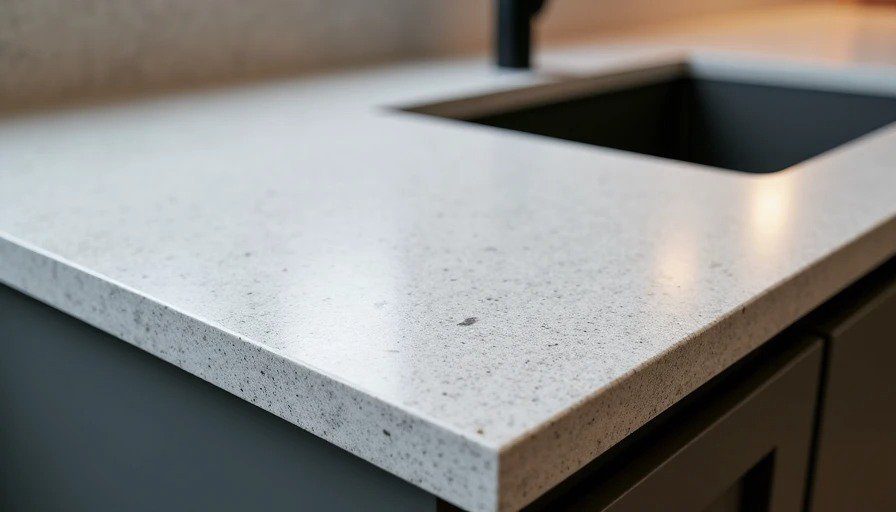
Quartz is tough. It survived the first tenant’s cooking disasters — red wine, hot pans, kids doing “science experiments.” No etching. No stains that wouldn’t come out with regular cleaner.
But here’s the Otis-tail equivalent for counters: if tenants can destroy it with normal use, it doesn’t belong.
Quartz passes. Expensive marble does not. Cheap laminate sometimes fails faster than expected.
I now have a simple decision filter for any upgrade:
Cost per year over expected lifespan
Reduction in maintenance calls (estimated)
Potential rent increase (realistic, not hopeful)
My time and hassle factor
Counters scored okay on durability. Terrible on ROI.
Bigger Picture for Small-Scale Landlords
This is the unsexy part of the business.
Big investors can afford to premium-out every unit because they spread risk and get economies of scale on materials. I can’t. One bad decision on one door hurts.
My total portfolio generates solid cash flow, but it’s not infinite. Every dollar spent has to earn its keep or at least protect the asset.
Since that project I’ve tightened up. New rule: No cosmetic upgrades over $1,500 without a signed lease at higher rent or confirmed turnover with strong comps.
I also started photographing every kitchen before and after in my internal files. Helps when negotiating with future tenants or appraisers.
The Spreadsheet Never Lies
I updated the master sheet after this one.
Property #3 kitchen counter line item: $3,200 expense. $0 additional annual income. Depreciation benefit: minimal since it’s cosmetic.
Net: Negative. But the property looks better. Future sale value might tick up a bit. Hard to quantify.
Would I do it again? Only if I’m prepping for sale or targeting a different tenant demographic.
For now, I’m focusing upgrades on things that actually move the needle: HVAC reliability, roof, plumbing. The boring stuff that keeps tenants happy and repairs low.
Final Takeaway
Don’t let pretty pictures fool you. Run the numbers first. Always.
That quartz looks nice. I’m glad the current tenants like it. But next time I’ll choose the option that survives the tenant, survives the budget, and actually pays me back.
If it won’t survive Otis’s tail — or my spreadsheet — it doesn’t belong in my rental.
Let’s be smarter with our money, friends.
Keep Reading

How to Calculate Rehab Costs for a Rental Property Without Guessing
Learn how to calculate rehab costs for a rental with labor, materials, permits, ...

How to Value a Property Management Company Without Guessing
How to value a property management company using income, market, and asset metho...

Cost to Subdivide Land: A Small Landlord's Real-World Budget
Cost to subdivide land can range from a few thousand dollars to much more. Learn...
Owner Letters
0 lettersNo letters yet — be the first to write one.