
How to Handle a maintenance request Without Losing Your Weekend
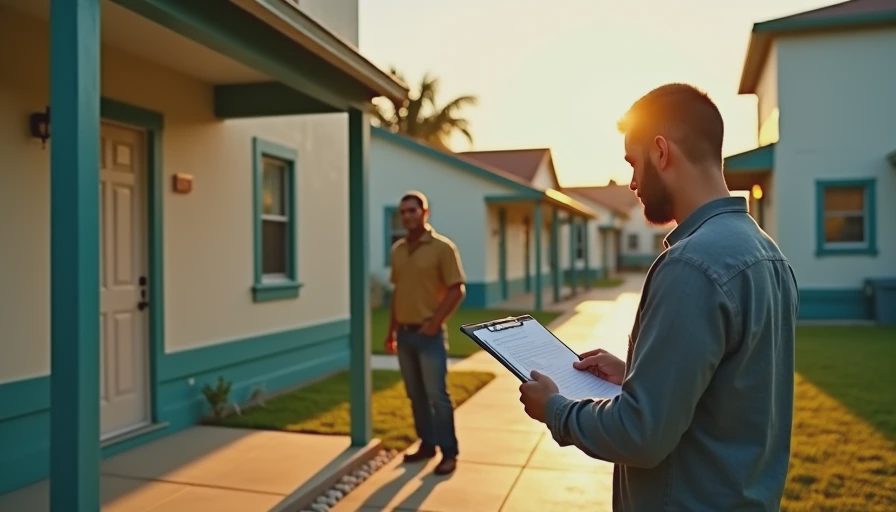
The first maintenance request I received as a landlord arrived at 9:42 p.m. The tenant said the kitchen sink was leaking. I was in pajamas, Otis was barking at a delivery driver, and I had no idea where the main water shutoff was. Excellent start.
A maintenance request system would have helped. Not a fancy property management platform. Just a repeatable way to decide what is urgent, what can wait, who handles it, and what the repair should cost. If you own two to ten rentals, that system protects your time and your cash flow.
Build a maintenance request system before you need it
Start with one intake channel. Email, a tenant portal, or a dedicated phone number all work. Text messages are convenient, but they scatter photos, dates, and details across your personal phone. I learned this after searching 47 texts for the picture of a dripping water heater. Never again.
Ask tenants to include five things:
- What is happening?
- When did it start?
- Is water, gas, smoke, or electricity involved?
- Is anyone unable to use the home safely?
- Can they send a photo or short video?
That information turns a vague message into a maintenance request you can actually triage. “The bathroom is broken” tells you nothing. “The toilet tank fills continuously, but the toilet still flushes” tells you this is probably a small parts replacement, not an emergency plumber at midnight.
Create a simple spreadsheet with the property address, request date, category, vendor, quoted cost, completion date, and invoice amount. Add a column for warranty or recurring issues. Patterns show up quickly. If the same garbage disposal fails twice in eighteen months, replacing it with a $120 Insinkerator model might beat paying two $175 service calls.
Decide what is actually urgent
Not every maintenance request deserves a same-day response. Some do. A burst supply line, active ceiling leak, loss of heat during freezing weather, electrical sparking, sewage backup, or suspected gas leak needs immediate attention. Tell the tenant what to do first, such as shutting off water or leaving the property, then contact the appropriate emergency service.
A clogged bathroom sink, loose cabinet hinge, broken closet door, or dripping faucet usually belongs in the normal queue. I try to acknowledge those within one business day and schedule the repair within a few days. Fast communication matters even when the repair is not urgent. A tenant who knows the plan is much less likely to send six follow-up messages.
Use clear language. “I received your maintenance request. Please do not use the second bathroom until the plumber arrives tomorrow between 2 and 4 p.m.” That is better than “Someone will come soon.” Soon is not a time. Soon is how tenants start wondering whether you saw the message at all.
If the issue involves possible mold, a serious pest infestation, structural damage, or a major appliance failure, document everything and use a qualified professional. I am comfortable replacing a toilet flapper. I am not diagnosing a load-bearing wall. If it needs an engineer’s stamp, I hire it out and tell you to do the same.
The five-step response process
When a maintenance request arrives, I follow the same sequence every time.
First, acknowledge it. A two-minute reply prevents a day of uncertainty. Second, ask for missing information and photos. Third, classify the request as emergency, urgent, or routine. Fourth, assign the right person. Fifth, close the loop after the work is complete.
For routine repairs, I usually contact a vendor I have already used. A plumber who charges $95 for a straightforward service call and sends a readable invoice is more useful than the cheapest person on a search page. For larger jobs, I get two quotes when timing allows. A $1,400 water heater replacement and a $2,600 quote for the same basic scope deserve a second look.
Give the tenant a realistic arrival window. Then ask the vendor for a photo of the completed work and a line-item invoice. This protects you if the tenant says the repair was never completed and helps with future troubleshooting. I store invoices by property and year. It takes three minutes. Finding a warranty receipt two years later takes much longer.
Close each maintenance request with a short tenant message: “The faucet cartridge was replaced today. Please let me know if it continues dripping.” That final check is not overkill. It catches incomplete repairs before a small problem becomes water damage.

Run the numbers before approving the repair
A repair decision has three numbers: the immediate cost, the likely remaining life of the item, and the cost of delay. A $75 garbage disposal repair makes sense if the unit is four years old and otherwise healthy. It may not make sense if the disposal is fifteen years old, noisy, and already listed on its third maintenance request.
For common rental items, I keep rough budget ranges in my spreadsheet. A toilet fill valve might run $100 to $200 installed. A standard faucet replacement often lands around $175 to $350. A basic electric water heater replacement can easily reach $1,000 to $2,000, depending on access, disposal, local labor, and code requirements. Those are planning numbers, not promises.
Do not automatically choose the cheapest material. A $35 contractor-grade bathroom faucet that fails twice is not cheaper than a $100 Delta or Moen faucet that lasts. On the other hand, a $600 designer fixture does not make a rental more profitable. If it will not survive tenants, dogs, and Otis’s tail, it does not belong in my rental.
Track maintenance cost per property, not just total spending. One house may need $2,800 this year because of an aging HVAC system. Another may need only $600. That does not mean the first property is a disaster. It means you need reserves and a replacement schedule.
A tenant message that saves time
Give tenants a template they can copy. Mine says: “Please describe the issue, when it began, whether it is getting worse, and whether water, smoke, gas, or electricity is involved. Include photos if possible. If there is active flooding or a gas smell, call emergency services first and then contact me.”
That wording makes the tenant a useful observer without asking them to diagnose anything. Do not tell a tenant to repair wiring, open a gas appliance, climb onto a roof, or shut off equipment they do not understand. Safety beats a $150 service call every time.
For access, confirm whether the tenant will be home and whether a vendor may enter with proper notice under your lease and local rules. Put the appointment in writing. A maintenance request is easier to manage when everyone knows the date, arrival window, and expected work.
Prevent repeat calls with a seasonal list
Prevention is boring. It is also cheaper. Before winter, check exterior hose bibs, heat operation, pipe insulation, smoke alarms, and carbon monoxide alarms. Before summer, test air conditioning, clean condenser areas, inspect bathroom exhaust fans, and look for slow leaks under sinks.
Once a year, ask vendors what they noticed beyond the original job. A plumber may spot a corroded shutoff valve. An HVAC technician may flag a condensate drain that is beginning to clog. Add those observations to your maintenance request log instead of relying on memory.
I still get surprise repairs. That is landlord life. But a system turns panic into a checklist. You respond faster, spend with better information, and stop letting every dripping faucet hijack your evening. Let's run the numbers, document the work, and make the next maintenance request less dramatic than the first.
Keep Reading

Tenant Screening for Small Landlords: A Simple System That Works
Tenant screening for small landlords: learn how to check rental applicants fairl...

No Smoking Clause in Rental Agreement: A Practical Landlord Guide
No smoking clause in rental agreement: write a clear, enforceable rule, cover va...

Window Treatments for Rentals: The $14 Blinds That Somehow Still Look Fine
After trying various window treatments in my rentals, the $14 basic blinds still...
Owner Letters
0 lettersNo letters yet — be the first to write one.