The Otis Tail Durability Index: A Definitive Ranking of 7 Flooring Types
Let’s run the numbers.
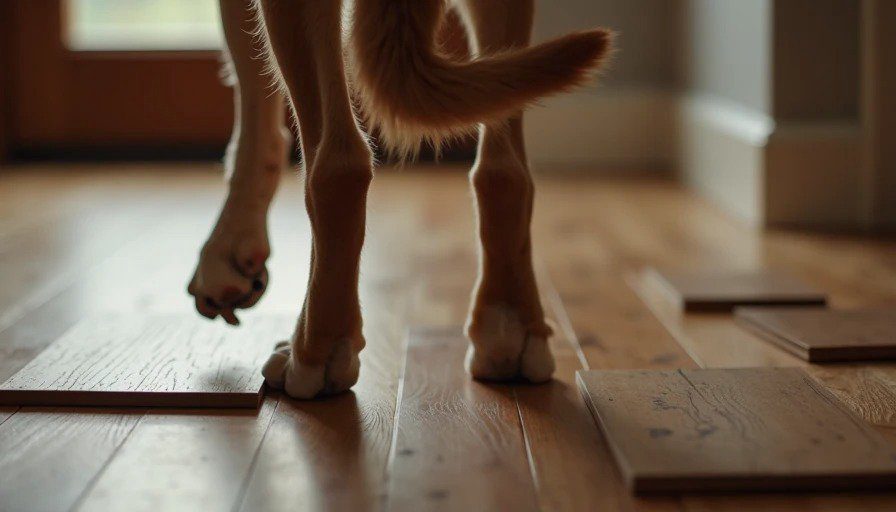
Otis is 8 years old. 85 pounds of pure enthusiasm. His tail hits like a broom handle at full speed. If a flooring sample can’t survive enthusiastic greetings at my own front door, it has zero business in a rental with kids, pets, or normal humans.
I’ve replaced floors in all four properties over the last three years. Tracked every dollar. Watched every failure. Here is my no-BS ranking.
The Testing Method
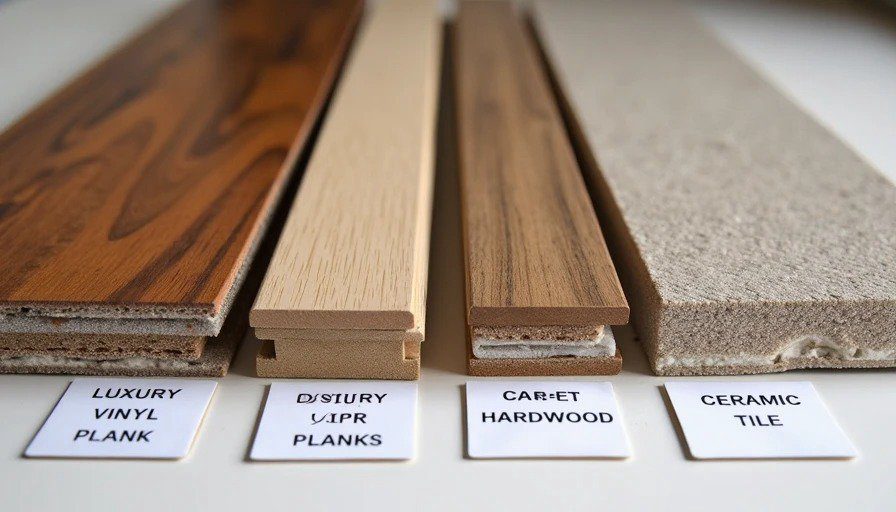
I bought samples of each material. Laid them in my high-traffic entryway for six months. Otis tested them daily. Then I simulated tenant wear — dragged furniture, spilled coffee, dropped keys, wet shoes from Charlotte rain.
Scored on:
Durability (1-10)
Installation & repair ease (1-10)
Cost per sq ft installed (real quotes)
Tenant appeal / rent impact
Long-term cost per year
The Ranking
1. Luxury Vinyl Plank (LVP) — 9.4/10
Winner by a mile.
Thickness matters. I use 6mm+ with attached underlayment now. Waterproof. Scratch resistant. Floats over almost anything.
My cost: $3.80–$4.50/sq ft installed.
Survived Otis perfectly. One deep scratch from a moved fridge — I replaced one plank in 20 minutes. Tenants love the wood look without the maintenance.
In one property I did full install two years ago. Still looks great after two turnovers.
2. Porcelain Tile — 8.7/10
Great in kitchens and baths. Tough as nails.
Cost: $5–$8/sq ft installed.
Otis tail bounces right off. Drops don’t chip it easily. Grout is the weak point — I use dark grout and epoxy-based now to fight stains.
Downside: Hard and cold. Tenants with kids sometimes complain. I put rugs in main areas.
3. Engineered Hardwood — 7.2/10
Looks premium. Feels premium.
Cost: $6.50–$9/sq ft.
Scratches more than LVP. One tenant’s dog left visible marks. Refinishing is possible but expensive. Otis dented the samples noticeably.
I use it in owner-occupied spaces only now. Not rentals.
4. Traditional Laminate — 6.1/10
Cheap. $2.20–$3.50/sq ft.
Swells if wet. Edges chip. Looks dated fast. One property had it when I bought — replaced after first tenant because it looked terrible.
Otis tail left dents. Not ideal.
5. Carpet — 5.8/10 (with major caveats)
Only in bedrooms, and only berber or commercial grade.
Cost: $3–$5/sq ft installed.
Stains. Pets destroy it. Cleaning costs add up. I avoid it in most rentals now. One property still has it upstairs — tenants pay extra pet fee and I budget for replacement every 4–5 years.
6. Sheet Vinyl — 4.9/10
Old school. Cheap.
Tears at seams. Hard to repair. Looks institutional. I rip it out whenever possible.
7. Natural Stone / Real Slate — 3.2/10
Beautiful. Expensive. High maintenance. Chips. Stains. Never for rentals.
Otis tail test: immediate chips on edges. No thanks.
Real Data from My Properties
Property 1 (newest): Full LVP throughout. Install cost $4,200. Zero issues in 18 months. Rent holds steady at top of comps.
Property 2: Mixed tile in wet areas, carpet bedrooms. Higher maintenance calls. Planning LVP upgrade next turnover.
Property 3: Original laminate in main areas — showing age. Will replace this year.
Property 4: Engineered hardwood in living — already showing wear. Regret that choice.
Average annual flooring-related repair cost per door right now: $180. Down from $420 two years ago after switching to better materials.
The Supply Chain Angle
I treat flooring like inventory. Standardized SKUs across properties when possible. One main LVP style I can reorder easily. Saves time hunting matches later.
Buy in bulk for multiple units when on sale. Negotiate with local flooring stores — I get 8–12% off as repeat customer.
Always factor removal cost of old flooring. It adds up.
Tenant-Proof Rules I Live By
No carpet in high-traffic or pet-friendly units unless heavy fees.
Waterproof everything possible in North Carolina (humidity, storms).
Light to medium colors hide dirt better than dark.
Quarter-round baseboards instead of shoe molding — easier to replace.
Always leave a few spare planks/tiles with the tenant info packet.
When to Spend More
If the property is in a premium location or I’m targeting longer-term families, I stretch for better LVP or tile.
If it’s a budget rental with high turnover, still go LVP but basic grade. Never go cheap enough that it fails in two years.
The Otis test never lies. If my own dog destroys it in months, tenants will too.
I walk the greenways thinking about this stuff sometimes. What seems like a small decision on materials compounds across years and multiple properties. One bad flooring choice costs thousands in repairs and lost rent.
Choose durable. Choose repairable. Choose boring winners.
The flashy stuff belongs in magazines. My rentals need to survive real life.
What’s the worst flooring mistake you’ve made? Tell me. I’ve probably done it too.
Let’s make better choices together.
Keep Reading

No Smoking Clause in Rental Agreement: A Practical Landlord Guide
No smoking clause in rental agreement: write a clear, enforceable rule, cover va...
Window Treatments for Rentals: The $14 Blinds That Somehow Still Look Fine
After trying various window treatments in my rentals, the $14 basic blinds still...
Cabinet Hardware That Won't Loosen — and the Stuff That Will in Six Months
After dealing with loose cabinet hardware in multiple rentals, here’s my tested ...
Owner Letters
0 lettersNo letters yet — be the first to write one.