
Why I Became a Landlord — Spoiler, It Wasn't the Plan
Let’s run the numbers. Always.
Three years ago I was sitting in a mediator’s office in Charlotte with a stack of papers and a splitting headache. My marriage was ending. The house we built our life in was staying with me and the kids. But the asset split included two single-family rentals my ex had picked up during better years.
The mediator slid the folder across the table. “You can sell them or keep them.”
I didn’t answer right away. I opened the folder, pulled out the rent rolls and expense sheets, and did what I do best. I ran the numbers.
They weren’t perfect. One property had a tenant who was late twice that year. The other needed a new water heater in the next eighteen months. But after taxes, insurance, and a realistic vacancy rate, both were throwing off positive cash flow. Not life-changing money. Steady. Predictable. The kind of money that shows up even when life doesn’t.
I kept them.
The First Year Was Brutal
Nobody tells you what it actually feels like when the phone rings at 6:47 pm on a Tuesday and it’s a tenant saying the toilet is overflowing and they have company coming. You’re in the middle of helping Chloe with fractions and Ethan is practicing drums in the basement. Otis is barking because he thinks the doorbell means a party.
You text your neighbor who sometimes watches the kids, throw on shoes, grab the shop vac from the garage, and drive across town while mentally calculating whether this is a $400 plumber call or something you can handle with a $19 snake and prayer.
I learned fast.
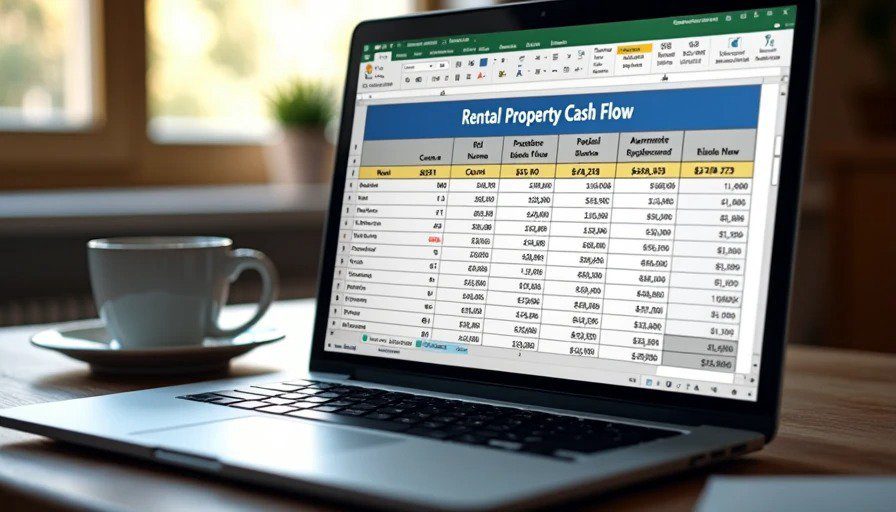
That first winter one of the furnaces went out. January in North Carolina isn’t brutal, but it’s cold enough when you’re paying the mortgage yourself. I had a handyman out the same day. Cost me $1,200 including parts. I added it to the spreadsheet. Red column.
Then came the learning curve on tenant screening. I thought I was good at reading people from my supply chain days. Turns out renters are different. One guy seemed solid — steady job, good references. Three months later he disappeared and left the place smelling like a brewery and three broken blinds.
I ran those numbers too. Turnover cost: $2,800 in repairs, cleaning, lost rent. Lesson learned.
How Supply Chain Thinking Saved Me
People hear “landlord” and picture some guy with twenty units and a property manager. That’s not me. I manage four single-family homes in the Charlotte metro while holding down a full-time supply chain role. I have two kids, a dog whose tail clears coffee tables, and exactly zero interest in becoming a real estate guru.
My background is procurement and vendor management. I spent eighteen years squeezing costs out of logistics networks. Turns out rental properties work the same way.
I built a vendor scorecard. Yes, really.
Vendor Scorecard (the version I actually use)
Response time under 4 hours for emergencies: 40 points
Quality of work (did it stay fixed?): 30 points
Price competitiveness: 20 points
Communication (no ghosting): 10 points
I score them after every job. Low performers get one more chance. Then they’re off the list.
Same with maintenance calendars. I have a shared Google Sheet that tells me when each property’s HVAC filter should be changed, when smoke detectors get new batteries, when gutters need cleaning. It’s not glamorous. It just works.
I also track cost-per-door metrics. Right now my average annual maintenance across four properties sits at about $2,740 per door. That includes everything — big repairs, small stuff, and the random “my kid flushed a toy” calls. I compare it quarterly. If one property starts creeping up, I dig in.

The Human Side Nobody Talks About
This isn’t passive income. Not even close.
Last spring Chloe had her big dance recital. I was in the front row, phone on silent, proud mom smile locked in place. Then it buzzed. Tenant emergency. Broken pipe in the laundry room. Water everywhere.
I stepped out, took the call, made the decision to send the handyman, then went back in and cheered like nothing happened. Later that night I sat on the greenway with Otis, watching the sun go down, and wondered if I was failing at both jobs — mom and landlord.
The truth? Some days it feels like I’m doing both halfway. Other days the spreadsheets show me the rental income is paying for Ethan’s driving lessons and Chloe’s dance classes and building the emergency fund that kept us stable after the divorce.
That’s the part nobody puts in the shiny YouTube thumbnails.
Why I Bought Two More
People ask why I didn’t just sell the original two and be done.
Simple. The numbers.
Charlotte’s market has been strong. Good schools in Matthews and nearby areas, steady job growth from banking and logistics, population coming in from bigger cities. Single-family rentals in the $1,800–$2,600 range rent reliably if you keep them clean and functional.
I found the next two at the right price. Ran the cap rate, cash-on-cash return, and projected repair reserves. Both cleared my minimum thresholds. So I pulled the trigger.
One is a 2012 build in a slightly newer neighborhood. The other is an older 1998 ranch that needed cosmetic work. I did the paint and blinds myself. Learned the hard way about matching ceiling texture.
What “Good Enough Landlord” Actually Means
I’m not here to win design awards. I’m here to protect my time, my kids’ stability, and my retirement.
That means:
Durable over beautiful every single time.
If it won’t survive Otis’s tail in my own house, it’s not going into a rental.
I will DIY paint, caulk, and simple fixture swaps. Anything behind walls or requiring permits gets hired out.
Boundaries matter. I don’t answer tenant texts after 8 pm unless it’s an actual emergency. They know this because I tell them upfront.
Every renovation decision starts with the same question: Will this raise rent enough to pay for itself in under 24 months?
So far the answer has kept me honest.
Looking Ahead
I don’t know if I’ll ever scale to ten doors. Probably not. Four feels like the sweet spot where I can still know every property personally and still make it to Ethan’s soccer games.
But I do know this: the spreadsheet doesn’t lie. When I look at the total equity built, the cash flow covering part of the kids’ future, and the skills I’ve had to develop — negotiating with contractors, understanding depreciation, building systems that run without me — I feel strangely proud.
This wasn’t the plan. But it became part of the plan.
If you’re an accidental landlord too — maybe freshly divorced, maybe inherited a property, maybe just tired of your 401(k) doing all the heavy lifting — welcome. You’re not alone. The numbers can work. The life can work. It just takes lists. And spreadsheets. And the occasional late-night text to your smartest girlfriend (hi, that’s me now).
Let’s run the numbers together.
Keep Reading

Buying an Investment Property Before First Home: Run the Numbers First
Buying an investment property before first home? Run the numbers on financing, t...

Set for Life by Scott Trench: A Practical Review for Small Landlords
Set for Life by Scott Trench explains a practical path to financial independence...

turnkey home: What Small Landlords Should Check Before Buying
Turnkey home buying can simplify rental ownership. Learn what a turnkey home inc...
Owner Letters
0 lettersNo letters yet — be the first to write one.