
benefits of lvp vs carpet in multifamily housing: the landlord's practical guide
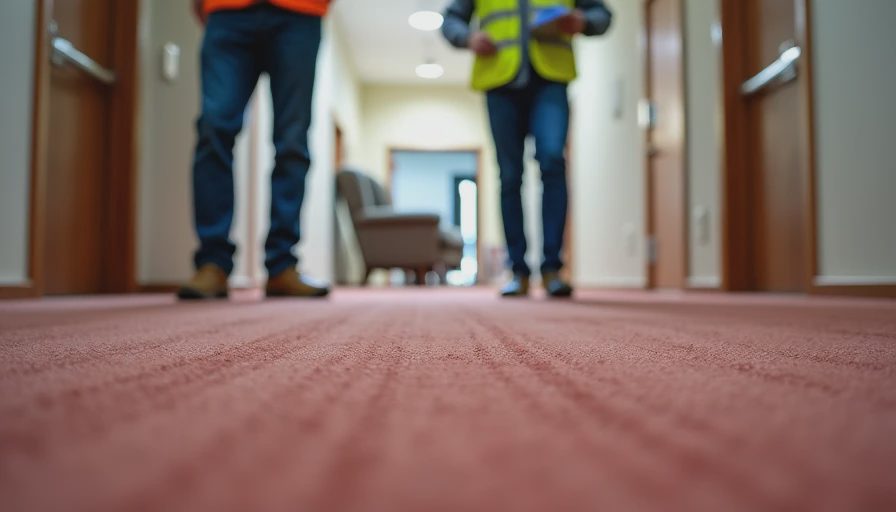
The benefits of lvp vs carpet in multifamily housing come down to one question: which floor costs less to own after the tenants move in? Not which sample looks nicest under a showroom light. I mean cleaning, pet damage, water, turnover labor, and the mystery stain that appears three days before a new lease starts.
I manage four rentals around Charlotte, and I have made enough flooring decisions to know that the cheapest box at the home improvement store is not always the cheapest floor. A $1.49-per-square-foot carpet can become expensive after two tenant turnovers. A mid-grade waterproof LVP can cost more upfront and still win over five years. Let's run the numbers.
Start with the five-year cost, not the shelf price
Carpet often looks cheaper because the material price is lower. Basic rental-grade carpet might run $1.25 to $3.00 per square foot, while decent LVP commonly lands around $2.50 to $5.50 per square foot. Installation, pad, demolition, delivery, and baseboard work can add another $1.50 to $4.00 per square foot depending on the property and local labor.
For a 900-square-foot apartment, that difference matters. Carpet installed at $3.75 per square foot is about $3,375. LVP installed at $5.25 is about $4,725. The initial gap is $1,350. That sounds painful until you factor in one carpet replacement, a $600 pet odor treatment, or two extra days of vacancy at $60 per day.
The benefits of lvp vs carpet in multifamily housing become clearer when you track total ownership cost. I use a simple spreadsheet with material, labor, repairs, cleaning, vacancy, and expected replacement year. If the more durable floor adds $1,350 upfront but saves one replacement during a seven-year period, it is doing real work for the property.
Why LVP handles rental abuse better
LVP is not indestructible. Please do not let a flooring salesperson tell you otherwise. A sharp furniture leg can scratch it. Cheap click-lock planks can separate if the subfloor is uneven. Heavy appliances can dent some products. But quality LVP handles everyday rental abuse better than most carpet.
Water is the big one. A refrigerator line leaks. A tenant leaves a window open during a storm. A child spills a full cup of juice. With carpet, moisture can move into the pad and subfloor, where odor and mold concerns become much harder to manage. LVP lets you remove standing water quickly and replace individual planks when the product and installation allow it.
Look for a wear layer of at least 12 mil for ordinary rentals; I prefer 20 mil in busy units, pet-friendly properties, and common areas. Follow the manufacturer's installation instructions, especially around expansion gaps and subfloor preparation. The floor is only as good as the surface beneath it.
Cleaning and turnover are where the savings show up
The benefits of lvp vs carpet in multifamily housing are especially obvious on turnover day. Carpet usually needs thorough vacuuming, spot treatment, and professional cleaning. If the tenant had pets, you might need enzyme treatment or replacement. LVP generally needs sweeping or vacuuming followed by a damp mop with a manufacturer-approved cleaner.
That does not mean you can flood the floor with a bucket of water. You still need to clean carefully, protect seams, and dry spills. But the process is faster and easier to inspect. I can see crumbs, hair, and sticky spots on a light oak plank pattern. That is good. Hidden dirt is not a feature.
A realistic turnover comparison might look like this: $180 to $300 for carpet cleaning, plus $75 to $200 for spot or odor treatment, versus $40 to $100 in supplies and labor for a straightforward LVP cleaning. Across four units and two turnovers per year, those small differences can cover a meaningful part of the installation premium.
Tenant appeal matters, but do not overpay for it
Tenants notice flooring immediately. They may not know whether the plank is 12 mil or 20 mil, but they know when an apartment smells like old carpet. LVP also gives a unit a cleaner, more current appearance without requiring designer pricing. That can help your listing photos and reduce the number of questions during showings.
Still, do not install luxury-priced flooring just to chase a slightly higher rent. In my market, a $200 monthly rent increase would be a big claim for flooring alone. A $25 to $75 increase might be more realistic in a noticeably upgraded unit, but demand, location, appliances, parking, and overall condition usually matter more.
The smartest benefits of lvp vs carpet in multifamily housing are often indirect. A cleaner-looking unit can lease faster. A prospective tenant may feel more comfortable bringing a pet. A durable floor can reduce complaints after move-in. Those gains are valuable, but they belong in your analysis as possible turnover and maintenance savings, not guaranteed rent magic.
Where carpet still makes sense
Carpet is not automatically a bad landlord choice. It can be warmer, quieter, and more comfortable in bedrooms. In a cold climate, tenants may genuinely prefer carpet underfoot. Carpet can also soften sound between floors, which matters in apartments with neighbors below or above.
I would consider carpet in a bedroom when the unit is quiet, the tenant profile is stable, and the flooring budget is tight. I would be much more cautious in living rooms, hallways, entryways, and dining areas. Those zones receive the most traffic and the most opportunities for spilled food, wet shoes, rolling office chairs, and pet accidents.
If you choose carpet, spend money on a decent pad and a neutral, commercial-grade product. The pad affects comfort and lifespan. Avoid the absolute cheapest white or pale gray carpet. It looks fresh for about six minutes. A medium neutral color is easier to maintain without making the apartment feel dark.
A practical buying checklist for small landlords
The benefits of lvp vs carpet in multifamily housing only materialize when you buy and install the right product. Before ordering, measure every room and add a reasonable waste allowance. Ask whether pricing includes removal, disposal, furniture moving, transitions, baseboards, and stair work. Those extras can turn a quote into a surprise.
Bring home samples. Drag a chair across them. Put a damp towel on each sample overnight. Try a little cooking oil, coffee, and muddy water. My son once helped me test a sample with a marker, which was not part of my original plan but was useful data. If it will not survive real life, it will not survive Otis's tail.
Check the warranty, cleaning instructions, slip resistance, and commercial rating. Confirm that replacement planks will still be available if one gets damaged. Photograph the finished floor and keep a few unopened boxes in a labeled storage area. Future-you will be grateful when a tenant reports one cracked plank instead of an entire flooring emergency.
My bottom line after running the numbers
For most rental living areas, kitchens, entries, and hallways, LVP is my default. The benefits of lvp vs carpet in multifamily housing are strongest where water, traffic, pets, and frequent turnovers create repeat expenses. I would rather pay more once for a solid product than save $1,000 now and start a replacement cycle next year.
That does not mean choosing the most expensive LVP. A practical 20-mil product with proper installation is often enough. Compare at least three installed quotes, ask exactly what each includes, and calculate the cost per rentable square foot. Then add likely cleaning and vacancy costs.
A good flooring decision should make the next turnover boring. That is the goal. Not a magazine-ready apartment. Not a renovation story for Facebook. Just a floor that cleans up, handles ordinary tenants and pets, and leaves more money in the account after the lease is signed.
Keep Reading

The $38 Faucet Upgrade That Made a Rental Look $200/Month Better
A simple $38 faucet upgrade in one rental kitchen made it feel significantly bet...
What I Pay a Handyman For — and Why That's Not Failure
I outsource certain repairs to handymen and it’s not failure — it’s smart busine...
The Dishwasher Install That Took 7 Hours and a Phone Call to Atlanta
I tried installing a dishwasher myself to save money. It took 7 hours, involved ...
Owner Letters
0 lettersNo letters yet — be the first to write one.