
What I Pay a Handyman For — and Why That's Not Failure
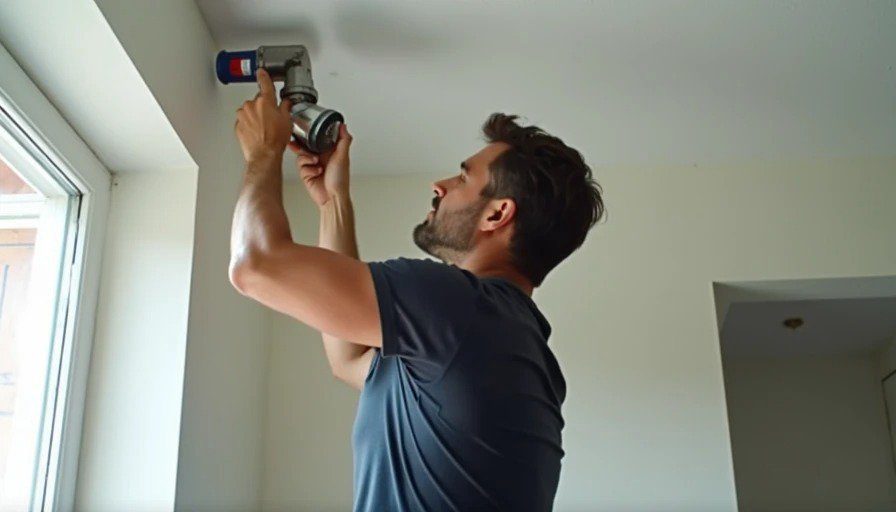
Paying a handyman $220 for a job I could theoretically do myself isn’t losing. It’s often the highest ROI decision I make all month.
This is the post where I give myself (and you) permission to not DIY everything. I’m a supply chain manager, single mom, and accidental landlord. Not a full-time renovator. My time has value.
Here’s my current split — what I still do myself, what I outsource, real costs from my properties, and the mindset shift that made it work.
My DIY List (Short on Purpose)
Painting walls and trim
Caulking
Changing shower heads, light bulbs, air filters
Basic cleaning during turns
Tightening hardware, minor touch-ups
These are repeatable, low-risk, high-visibility, and fit into short blocks of time.

What I Pay For Now
Plumbing work beyond simple swaps — New water heater install, fixing leaks behind walls, garbage disposal replacement.
Example: Recent hot water heater issue. Handyman: $650 parts + labor. Done in one day. Me attempting it? Multiple trips, potential flood, days of stress. Not worth it.
Electrical — Anything more than swapping a fixture. Outlets, switches, ceiling fans if wiring involved. Safety first.
Flooring installs or major repairs — I helped demo once. Never installing full rooms again.
Appliance installs — Remember the dishwasher story. Learned.
Roof or exterior work — Heights and complexity. No.
Anything requiring permits or inspections — Hire licensed pros.
Jobs that will take me more than 4 focused hours — My cutoff is dropping.
Real Cost Examples from Last Year
Bathroom faucet set replacement + leak fix: $185. Saved me a weekend.
HVAC tune-up and filter changes across properties: $420 total. Professional.
Door lock rekeying and minor carpentry: $140.
Full pre-turn deep clean (hired crew): $280 per property.
Total handyman spend last 12 months: ~$3,800 across four doors.
Compared to doing it all myself? I would have lost dozens of family hours and probably had more mistakes.
The cash flow from rents more than covers it comfortably.
Why This Isn’t Failure
Society pushes “DIY or die” especially for women in traditionally male spaces like landlording. I rejected that.
My value isn’t in being the cheapest labor. It’s in systems, numbers, and keeping the portfolio running while raising kids.
Hiring good help is supply chain strategy. Outsource what others do better and faster.
It also models smart delegation for Ethan and Chloe. Life skill.
How I Find and Manage Handymen
Refer back to my vetting process. Trusted list. Clear scope of work. Written estimates when possible. Post-job scorecard.
I pay fairly and on time. Good people stay available.
Mike, my main guy, knows my standards. Saves us both time.
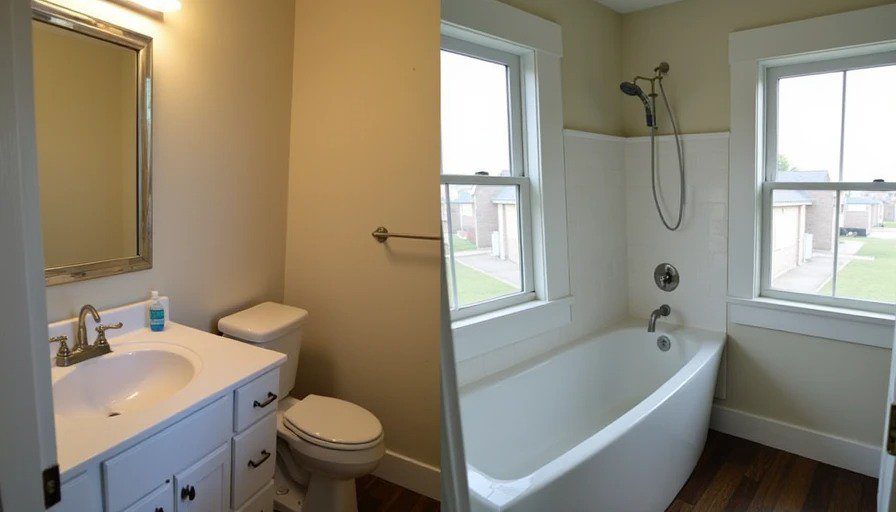
The Emotional Side
Early on I felt guilty paying for things I “should” do. Divorce aftermath — proving I could handle everything alone.
Then I ran the numbers on my time. Hours spent on complex repairs versus being present for the kids or recharging on greenways.
The math was clear. Hiring isn’t weakness. It’s strategy.
Now I feel confident. The properties are better maintained. I’m less burned out.
Balancing the Budget
I track “labor saved vs cost” in the spreadsheet. Most outsourced jobs show positive return when including my hourly value and avoided stress.
Emergency fund covers the bigger bills. Cash flow from rents handles regular.
Advice for Other Small Landlords
Start with one or two jobs. Test. Compare time and result.
Set your personal limits based on skills and life stage.
Don’t compare to the guys with 20 units and crews. Your context is different.
Build relationships with reliable trades. It compounds.
Otis doesn’t care who fixes the toilet as long as it stops dripping so he can drink from it.
I choose peace and presence over proving I can do it all.
What jobs do you outsource? Where’s your line?
Let’s normalize smart delegation. It makes us better landlords and better parents.
Keep Reading

Landlord Approved Light Fixtures and Hardware That Actually Hold Up
Landlord approved light fixtures and hardware for rentals: durable, affordable p...

Best Toilet for Rental Properties Clog Resistant: What I Would Buy
best toilet for rental properties clog resistant options for landlords who want ...

Scratch Resistant Countertops for Rental Kitchens: What Actually Pays Back
Scratch resistant countertops for rental kitchens can cut turnover headaches. Co...
Owner Letters
0 lettersNo letters yet — be the first to write one.