
How I Vet a Contractor in 15 Minutes (Supply Chain Edition)

Let’s run the numbers.
Bad contractor on one job: $1,200 wasted + two weeks delay + tenant complaints.
Good contractor: Reliable pricing, quality work, shows up when promised.
Over four properties and three years I’ve vetted dozens. My system takes 15 minutes upfront and saves massive headaches later. It’s pure supply chain thinking applied to property management.
Here’s exactly how I do it.
The 15-Minute Process
Minute 1-3: Initial Screen
Text or call. Quick questions:
Availability for this job type?
How soon can you come see it?
Do you have insurance and license? (Ask for copies later.)
Red flags: Vague answers, can’t come within a few days for urgent jobs, pushy sales.
Minute 4-8: The Site Visit Script
I meet them at the property. Walk the job. Ask specific questions while watching how they respond.
Key questions I always ask:
“Walk me through how you’d handle this job step by step.” (Good ones have clear process. Bad ones wing it.)
“What’s your estimate for materials and labor? Break it down.” (Vague = risk.)
“Have you worked on similar properties in this area?” (Local knowledge matters in Charlotte suburbs.)
“What’s your typical response time for callbacks if something goes wrong?” (Critical.)
“Can you provide three recent references I can call?” (I actually call two.)
I watch body language. Do they look at the job carefully? Point out potential issues? Or just nod and quote high?
Minute 9-12: Scorecard Time (in my head or notes)
I rate on my mental (and later digital) scorecard:
Response & Communication: 25 points
Professionalism & Preparation: 20 points
Pricing Realism: 20 points
Relevant Experience: 20 points
References & Insurance Proof: 15 points
Total 100. I need 75+ to hire.
Minute 13-15: Decision
Clear yes, clear no, or request bid in writing.
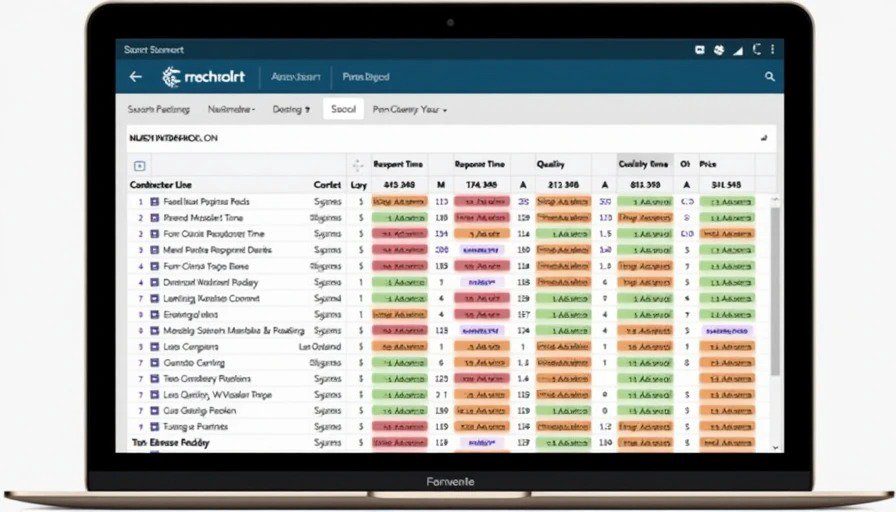
My Full Scorecard (the version I actually use)
Response Time
Emergency <4 hours: full points
Same day: good
Multiple days: low
Quality (checked via references and past work photos)
Did previous jobs stay fixed?
Attention to detail visible?
Price
Competitive but not suspiciously low.
Itemized bids win points.
Communication
Clear updates. No ghosting.
Professional texts/calls.
Reliability
Shows up on time. Cleans up.
I track scores in a master Google Sheet. After three jobs I have clear patterns. Top performers get priority and small loyalty bonuses sometimes.

Real Examples from My Portfolio
Mike (my main guy): 92/100.
Plumbing, electrical, general. Reliable. Slightly higher price but worth it. Been with me two years. I send him jobs first.
Cheap Handyman #1: 48/100.
Quoted low. Showed up late. Work was sloppy. Called once for callback and never heard back. Fired after one job.
Painter Team: 81/100.
Great on big paint jobs. Communication excellent. Price fair. Use them for full interiors.
One early mistake: Hired a roofer based on low bid only. Missed insurance proof. Job had issues. Learned to check everything.
Supply Chain Parallels
In my day job I manage vendors for logistics. Same principles:
Diversify suppliers (I keep 2–3 options per trade).
Score performance objectively.
Build relationships with top performers.
Have backup plans.
Works the same for rentals. Treat contractors like strategic partners, not one-off hires.
Red Flags I Never Ignore Now
No insurance or can’t provide proof quickly.
Bad reviews online (I Google name + “Charlotte landlord”).
Pressure to pay upfront large amounts.
Vague on timelines.
Poor communication from first contact.
No references or evasive about them.
Green flags: Photos of past work. Clear contracts. Neat appearance. Tools organized. Asks good questions about the job.
How This Saves Me Time and Money
Fewer disasters. Faster turnovers. Better quality work.
I spend more upfront on good people and less on fixing bad work.
My average repair cost per door has dropped partly because of better contractors.
Advice for New Landlords
Start small. Test on low-risk jobs like painting or fixture swaps.
Build your list gradually. Ask other local landlords for recommendations (Facebook groups, but verify yourself).
Document everything. Written bids. Before/after photos. Payments tracked.
Treat it like a business. Because it is.
Even with good systems, surprises happen. But they happen less.
I still get nervous handing over keys sometimes. But the scorecard gives me confidence.
Otis doesn’t vet contractors, but he does approve the ones who give him attention. Not part of the official process.
Run your own numbers. Build your list. Protect your properties and your sanity.
What’s your best contractor vetting tip? Share in comments. We all benefit from better systems.
Keep Reading

How to Find Investors for Real Estate Without Feeling Like a Salesperson
How to find investors for real estate: build a credible deal, meet the right peo...

How to Build a Rental Portfolio Without Losing Your Weekends
Learn how to build a rental portfolio with realistic numbers, tenant-proof syste...

What Is a Half Duplex House? A Small-Landlord Guide
Learn what is a half duplex house, how ownership and expenses work, and whether ...
Owner Letters
0 lettersNo letters yet — be the first to write one.