
Flipping a House Checklist That Keeps the Budget Honest
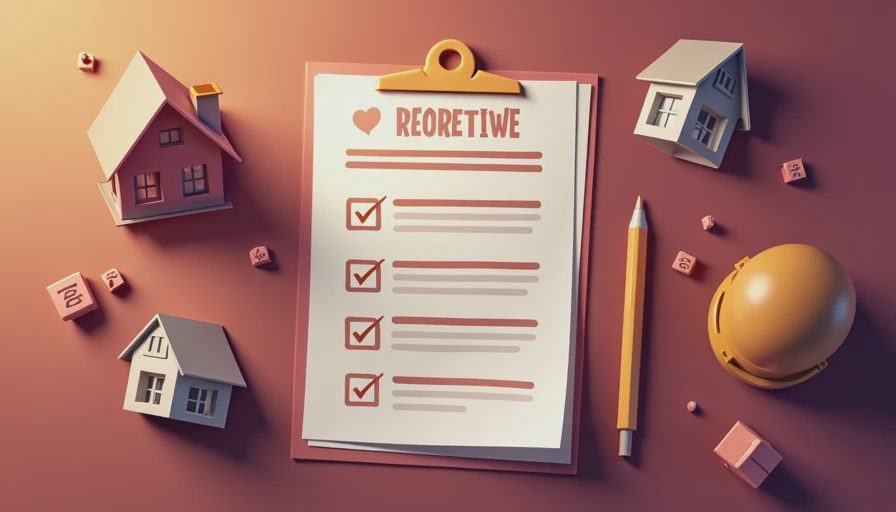
A flipping a house checklist is not about picking cute tile. It is about stopping a decent-looking deal from turning into a cash bonfire. If the numbers do not work before you buy, they will not magically work after you install the backsplash. I learned that the hard way. Once. Never again. So let’s run the numbers, keep the scope tight, and make sure every dollar has a job. If the house needs a full gut and a prayer, that is not a flip. That is a hobby with a loan attached.
The flipping a house checklist starts with the numbers
Before you buy anything, write down three numbers: purchase price, rehab budget, and realistic after-repair value. I like to use the rough 70% rule as a sanity check. If a house should sell for $300,000 after repairs, then purchase plus rehab needs to stay well below that after you leave room for closing costs, holding costs, and commission. That does not mean the math is perfect. It means you have a fence around the deal before you start daydreaming about quartz.
On a small flip, a $12,000 rehab can stay a $12,000 rehab. On a sloppy one, it becomes $18,000 because you discovered the plumbing, the subfloor, and one aggressively dishonest contractor estimate. Put a line item in the budget for trashout, utilities, insurance, and at least one surprise. If you cannot afford the surprise, you cannot afford the house.
Walk the house like a buyer, not a dreamer
This is where a lot of people get cute and start talking about paint colors. Do not. Stand at the curb and ask what a buyer will notice in ten seconds. Siding, roof lines, windows, front door, and whether the yard looks like anyone has loved it in the last five years. Then walk room by room and make notes in this order: safety, function, cosmetics.
Safety means electrical issues, bad steps, rotten decking, smoke detectors, and anything that could hurt someone. Function means leaks, HVAC, water pressure, broken appliances, and doors that do not close. Cosmetics come last. A fresh vanity does not matter if the tub drain is backing up.
If you need one simple rule, use this: fix what buyers will pay to avoid. They will pay to avoid a roof leak, termite damage, bad smells, and mystery stains. They will not pay extra because you chose a trendy faucet in brushed gold.
Spend money where the return is obvious
The best flips usually look boring on the budget sheet. Paint, flooring, lighting, and kitchen refreshes carry the load. That does not mean “cheap.” It means strategic. In most mid-market homes, a good interior paint job can run a few thousand dollars if you hire it out. LVP can land anywhere from about $2.50 to $5 per square foot for material, and installation adds more. A simple kitchen update with painted cabinets, new hardware, a basic quartz top, and a clean backsplash often beats a full custom redo by a mile.
I like to ask one question for every upgrade: will this help the house sell faster or for enough more money to matter? A $700 light fixture does not get a pass just because it looks pretty in the store. Same with fancy tile in a laundry room. Nobody is paying a premium because the mudroom feels artisanal.
This is where a flipping a house checklist saves you from yourself. If the item does not improve showings, appraisal confidence, or buyer trust, move it down the list.
Hidden costs that blow up a flip
The scary stuff usually is not inside the room you are staring at. It is the delay behind the room. Permits can slow you down. Utility bills keep rolling. Dumpster swaps add up. If you hired labor at $50 to $90 an hour, every extra day hurts. And do not forget carrying costs. Interest, taxes, insurance, and a project that sits for two extra months can wipe out the cute little profit you were bragging about in the group text.
There is also the less glamorous stuff nobody wants to discuss. Mold remediation. Rotten fascia. Electrical panels that need updating. Pest damage. Broken sewer lines. You do not need to plan for every disaster on earth, but you do need a contingency fund. I keep 10% to 15% of the rehab budget as a cushion. Not because I am pessimistic. Because I have met old houses.
If a contractor says, “We can probably make that work,” translate that into “this line item is not done growing.”

The final walk-through is where deals get saved
Do not list the house until you have done a slow, annoyed-person walk-through with the lights on. Open every door. Run every faucet. Flush every toilet. Test every outlet. Look at caulk lines, trim joints, paint touch-ups, and whether the shutoffs are labeled. Check that appliances turn on, thermostats respond, and the front door does not stick like it is being dramatic.
This is also the time to catch the stuff that photographs badly. Missing outlet covers. A chipped threshold. A faucet that drips. Closet doors off track. Those little things make a house feel unfinished, and unfinished makes buyers hesitate. Hesitation is expensive.
A flipping a house checklist should end with one question: would I hand this house to a buyer and feel proud, or would I start making excuses? If you are making excuses, you are not done.
Know when to stop and list it
There is always one more thing you could do. Another light. Another trim board. Another “better” cabinet pull. That road leads straight to holding costs. At some point, good enough becomes profitable and perfect becomes expensive.
I like to stop when the house is clean, safe, bright, and easy to picture living in. Not fancy. Easy. The kitchen should read as updated. The bathrooms should feel fresh. Floors should be consistent. Walls should be neutral and repaired properly. And nothing should scream, “We ran out of money in the middle.”
That is the real purpose of a flipping a house checklist. Not perfection. Control. You want a repeatable process that keeps you from overbuilding, overpaying, and falling in love with your own renovation. If the numbers work, list it. If they do not, cut scope before you cut your profit.
Keep Reading
How to Calculate Rehab Costs for a Rental Property Without Guessing
Learn how to calculate rehab costs for a rental with labor, materials, permits, ...

How to Value a Property Management Company Without Guessing
How to value a property management company using income, market, and asset metho...

Cost to Subdivide Land: A Small Landlord's Real-World Budget
Cost to subdivide land can range from a few thousand dollars to much more. Learn...
Owner Letters
0 lettersNo letters yet — be the first to write one.