
Flooring That Survives Tenants: A Cost-Per-Year Analysis of 4 Materials Across My 4 Rentals
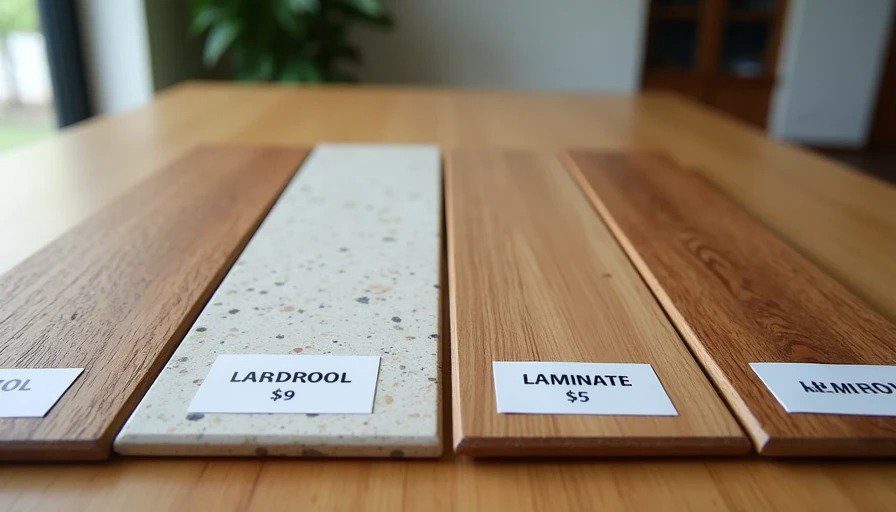
Let’s run the numbers. Really run them.
I tracked every flooring dollar across four properties for the last three-plus years. Purchases, installs, repairs, replacements, cleaning. Everything.
Here is the no-spin cost-per-year analysis. Four materials. Real Charlotte-area tenant behavior. My actual spreadsheets.
The Four Contenders
Luxury Vinyl Plank (LVP) – Current favorite
Porcelain Tile
Engineered Hardwood
Laminate
Raw Data from My Portfolio
Property 1 (2012 build): Full LVP install 22 months ago.
Initial cost: $4,650 (1,450 sq ft).
Repairs so far: $180 (one plank replacement).
Projected lifespan: 15+ years.
Cost per year: ~$320.
Property 2: Mixed tile wet areas + carpet bedrooms. Tile section: $2,800 install 3 years ago. Minimal repairs. Carpet: higher ongoing.
Property 3: Original laminate failing. Replacement planned.
Property 4: Engineered hardwood in main areas. Showing wear faster than hoped.
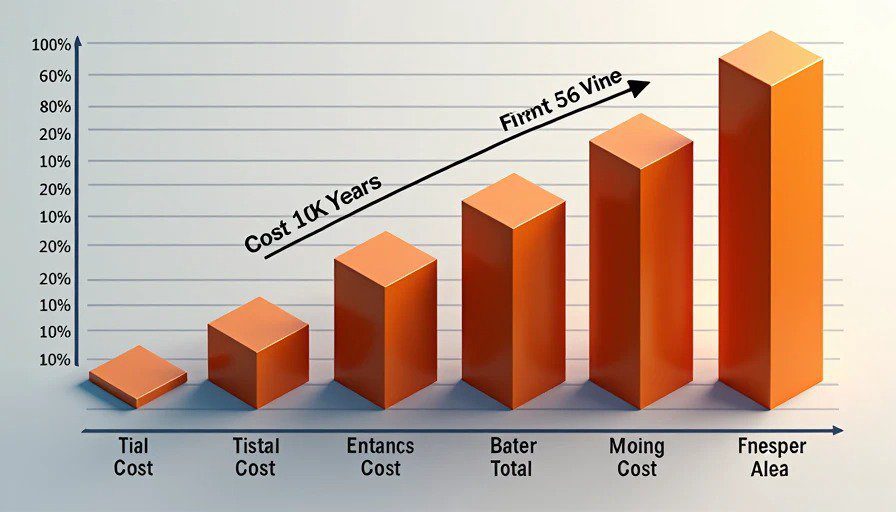
Cost-Per-Year Breakdown (10-Year Horizon)
LVP
Installed cost: $3.80–$5.20/sq ft average in my projects.
Annual maintenance/repairs: $120–$250 per property.
10-year total cost per sq ft: ~$0.45–$0.65.
Durability score (Otis + tenants): Excellent. Waterproof. Easy spot repair.
Porcelain Tile
Installed: $5.50–$8.00/sq ft.
Annual: $80–$180 (mostly grout).
10-year: ~$0.70–$0.95/sq ft.
Best in high-moisture. Harder underfoot.
Engineered Hardwood
Installed: $6.50–$9.50.
Annual: $250–$450 (scratches, refinishing potential).
10-year: ~$0.95–$1.40.
Looks premium. Less forgiving.
Laminate
Installed: $2.20–$3.80.
Annual: $300+ (swelling, chipping, full replacement sooner).
10-year: ~$0.65–$1.10 (higher due to shorter life).
Cheapest upfront. Highest long-term pain.
Why LVP Wins in My Portfolio
Floats over existing floors often — lower prep cost.
Waterproof core handles North Carolina humidity and tenant spills.
Individual planks replaceable. No full room redo for one damage spot.
Looks like hardwood to tenants without the maintenance.
Consistent performance across my units.
Tile is close second for bathrooms and entries. I use it strategically.
Hardwood and laminate lose points on real tenant life — pets, kids, moved furniture, tracked-in dirt.
Detailed Cost Factors I Track
Initial install + removal of old
Expected lifespan in rental conditions (not manufacturer claims)
Repair frequency and cost
Impact on rent/occupancy
Cleaning effort and expense
Resale or future upgrade implications
I update the master analysis quarterly. Numbers shift slightly with material price changes but the ranking holds.
Tenant Feedback Patterns
New tenants comment positively on LVP more than other floors. “Feels modern.” “Easy to keep clean.”
Complaints about carpet and failing laminate are common. Tile sometimes called “cold” but accepted.
My Decision Framework Going Forward
For new purchases or major refreshes:
High traffic / pet-friendly: LVP or tile.
Bedrooms only: Consider quality carpet with high fees if budget tight.
Never again: Cheap laminate in main areas.
I standardize the LVP style where possible for easy matching.
The Supply Chain Lens
Standardization reduces my vendor complexity. One main supplier for LVP. Bulk buys. Better pricing. Faster reorders for repairs.
Just like managing inventory in my day job.
Bottom Line Numbers
Switching more properties toward LVP has lowered my average annual flooring expense per door from ~$520 to $280 projected.
That’s real money. Money that goes into reserves, kids’ activities, or my own greenway time.
Otis tail test + tenant reality + cold hard cost-per-year math. The combination doesn’t lie.
Choose materials that survive the actual use case. Not the Instagram version.
What flooring are you using right now? What’s your cost-per-year looking like? Let’s compare notes.
Data makes better landlords.
Keep Reading
How to Calculate Rehab Costs for a Rental Property Without Guessing
Learn how to calculate rehab costs for a rental with labor, materials, permits, ...

How to Value a Property Management Company Without Guessing
How to value a property management company using income, market, and asset metho...

Cost to Subdivide Land: A Small Landlord's Real-World Budget
Cost to subdivide land can range from a few thousand dollars to much more. Learn...
Owner Letters
0 lettersNo letters yet — be the first to write one.