
Property Tax Tips for Small Landlords Who Don't Want to Overpay
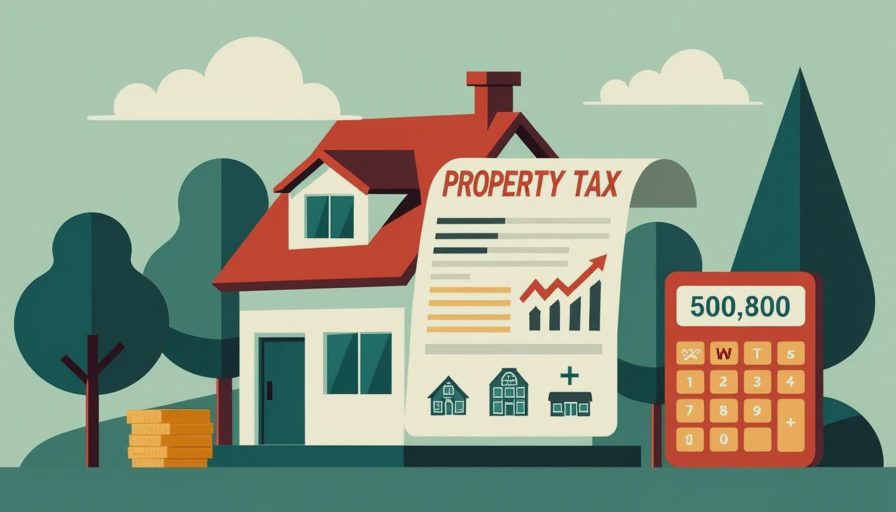
Property tax tips are boring until the county decides your rental is suddenly worth way more than you paid for it. Then they are very exciting. I learned that the hard way on a Charlotte duplex, and the bill was not cute. The good news? You do not need a tax degree to handle this. You need a sharp eye, a few records, and the nerve to question a bad number. Let's run the numbers before the county does it for you.
How the Assessment Notice Really Works
Start with the notice, not the bill stuffed in the glove box two months later. Look at the assessed value, the tax rate, and any change from last year. Then compare the county's description to the actual house. Square footage wrong? Bathroom count wrong? Finished basement listed when it is really just storage with a dehumidifier and a prayer? That stuff matters. A $40,000 overassessment at a 1.1 percent tax rate is $440 a year. That is not pocket change. If you escrow taxes through your mortgage, that number can also push your monthly payment up and squeeze your cash flow for no good reason.
Do not assume the county has better data than you do. Sometimes they are working off old permits, a generic neighborhood model, or a sale down the street that looked nothing like your place. If the property sat vacant, needed roof work, or had a busted HVAC when it was reassessed, write that down too. The notice is the starting line, not the final answer.
Build the Paper Trail Before You Call
This is where the boring folder earns its keep. Save the closing statement, the purchase price, recent photos, repair invoices, and a copy of the assessor's record. If the county says your three-bedroom ranch is suddenly a four-bedroom because somebody counted a bonus room with no closet, you want proof ready. Pull three to five comparable sales from your own neighborhood, and keep them realistic. Same school zone. Similar lot size. Same age if possible. Not a shiny flip that sold with a wine fridge and quartz everything.
I keep a simple spreadsheet with purchase date, assessed value, tax bill, and any changes the county makes after permits hit the record. It takes ten minutes to update and saves me from arguing from memory, which is usually a losing sport. Property tax tips only work when the numbers are in front of you. If you can show that a nearby house sold for less, or that your place needs more work than the model assumes, you are already ahead of most owners who just shrug and pay.
Appeals, Deadlines, and a Calm Phone Call
If the value is off, appeal. Plain and simple. Most counties have an informal review first, then a formal appeal if you still disagree. The deadline is usually short, often 30 to 45 days after the notice lands, so do not sit on it while you are juggling school pickup and a leaky dishwasher. Call the assessor, ask how they calculated the value, and ask for the comparable sales they used. Be polite. Be specific. Nobody at the county cares that you are tired. They do care if you bring clean evidence.
Do not lead with emotion. Lead with facts. "The county says 1,850 square feet. The appraisal from closing says 1,620. Here are the photos and the original report." That kind of sentence gets attention. If the first answer is no, keep going through the process. A good appeal can shave hundreds off the annual bill, and in some markets it can save more than that. Over five years, that turns into real money. Enough for a new water heater. Or a lot of rent-ready caulk.
Exemptions and Mixed-Use Properties
This is the section where people leave money on the table because they assume every property is treated the same. It is not. Some counties offer homestead, senior, disability, or veteran relief on an owner-occupied home. A pure rental usually does not qualify. But if you live in one side of a duplex or rent part of a house while occupying the rest, the classification can change the bill. Same with a property that was owner-occupied part of the year and then turned into a rental. The county wants the right use, the right date, and the right paperwork.
If you recently moved out, changed the mailing address, or converted a room into a legal bedroom, tell the county before they guess. Guessing is how bills get messy. And if the property is mixed-use, like a small storefront with an apartment above it, ask how they split the value. A bad split can make one side carry too much of the tax burden. Small landlords do not need every exemption under the sun. They do need to know which ones actually apply to their setup.

Property Tax Tips for Renovations That Change Value
Here is the part nobody wants to hear: some improvements do raise the assessment. Finishing a basement, adding a bathroom, enclosing a porch, or increasing heated square footage can change the tax bill. A fresh coat of paint usually does not. New carpet usually does not. Replacing a broken water heater definitely should not spike value. The county is looking for added utility and added livable space, not whether you finally banished the beige.
Keep before-and-after photos, permits, and contractor invoices for big projects. If an assessor sees a finished bonus room and assumes it is full-time living space, your paperwork can help explain what changed and what did not. This is one of those property tax tips that saves you from paying taxes on improvements the county imagined instead of the ones you actually made. And yes, if it will not survive Otis's tail, it does not belong in my rental.
Set a One-Hour Annual Routine
You do not need a whole weekend for this. You need one hour when the new assessment hits. Compare the new value to last year. Check the tax rate. Check escrow. Update your spreadsheet. Then look at your rent against the full monthly housing cost, not just principal and interest. Property taxes do not live alone. They show up with insurance and maintenance and the weird little expenses that make rentals feel less passive and more like a second job with better tax treatment.
If the bill jumped, decide fast whether you are appealing, budgeting for the increase, or both. That is the whole game. Clean records. Fast reaction. No drama. These property tax tips will not make your landlord life glamorous, but they can keep a sloppy assessment from eating hundreds of dollars a year. For a small portfolio, that is worth the boring hour.
Keep Reading
How to Calculate Rehab Costs for a Rental Property Without Guessing
Learn how to calculate rehab costs for a rental with labor, materials, permits, ...

How to Value a Property Management Company Without Guessing
How to value a property management company using income, market, and asset metho...

Cost to Subdivide Land: A Small Landlord's Real-World Budget
Cost to subdivide land can range from a few thousand dollars to much more. Learn...
Owner Letters
0 lettersNo letters yet — be the first to write one.