
Public Housing: What Small Landlords Should Know Before They Raise Rent
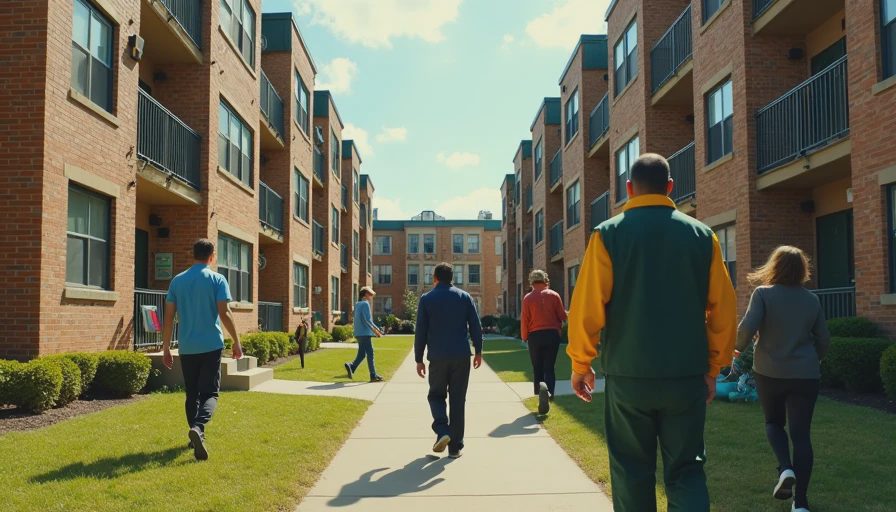
If you own one or two rentals, public housing can feel like one more thing people have opinions about and almost no hard numbers on. Is it a bad sign for the block? A rent killer? A reason to panic and underprice the unit? Usually, no. Usually, it is just another market factor. The real question is simple: does public housing nearby change your vacancy risk, your tenant pool, or your repair budget enough to matter on your spreadsheet? Let's run the numbers before we make it a story.
What public housing actually is
A lot of people lump everything together, and that is where the confusion starts. Public housing is typically owned or operated by a local housing authority. That is not the same thing as a Section 8 voucher, where the tenant uses assistance to rent a private unit from a landlord who agrees to the program rules. Same neighborhood? Maybe. Same system? Not even close.
For a small landlord, that distinction matters. If you are comparing your rental to a development across town, ask whether you are really comparing apples to apples. A clean, well-managed property with stable occupancy can sit near public housing and still do fine. The building next door may have more turnover, or it may not. The program itself does not tell you what your specific block will do. The condition of the surrounding homes, the schools, the parking, and the upkeep all pull harder on rent than the label on a map.
When I look at a new acquisition, I care less about the policy headline and more about the block-by-block facts. Are lawns cut? Are cars parked in legal spaces? Does trash sit out all week? Those are the details that tell me whether the neighborhood will support my target rent.
How public housing changes your rent math
This is where public housing becomes a pricing issue instead of a talking point. If the unit you are renting is near well-kept townhomes, a grocery store, and a decent bus line, that is one comp set. If it is near older stock, thin parking, and a building that needs a new roof, that is another. You cannot price like the first market if you are sitting in the second.
I keep a simple rule: the rent has to match the lived experience, not the brochure version. If the unit needs $3,000 in paint, flooring, and lighting just to compete, then an extra $75 a month on rent is not free money. A 1,000-square-foot refresh can eat $4,000 fast when you include labor, trim, and the stuff nobody remembers until the painter is already there. If the location gives you a small disadvantage, you can often make it up with a sharper interior, better photos, and quicker response times.
Public housing nearby is not automatically a red flag on rent. But it can shrink the number of renters who are willing to pay top dollar for the same floor plan. That is fine. It just means you need to be honest about what the market will actually pay, not what the optimistic listing in your head wants.
Screening, vouchers, and fair housing
This part matters because people mix up public housing with every other assisted-housing program, and that can lead to dumb screening decisions. Do not screen people based on assumptions about where they live now. Use the same written criteria for everyone. Income standard, credit policy, rental history, eviction history, criminal screening if you use it, all of it. Same rules. Same order. Same paperwork.
Also, be careful with voucher conversations. Some states and cities have source-of-income protections, and some do not. That means you should know your local rules before you reject an applicant or tell yourself a story about what you can or cannot accept. If you work with a property manager, ask how they handle it. If you self-manage, write your criteria down and stick to them. That keeps you out of the foggy, emotional version of landlording where the loudest opinion wins.
The practical piece is this: public housing on a map does not give you permission to assume anything about the next applicant. Good screening is boring. It is supposed to be. If your process is clear, you do not have to invent excuses later.
Repairs that protect your margin
The safest response to a softer neighborhood is not panic pricing. It is durability. That means mid-grade materials that clean up well and do not fall apart when a tenant drags in a sofa or a dog shakes off mud by the back door. I would rather spend $2,200 on solid flooring and decent baseboards than save $800 and replace half of it in 18 months.
My favorite landlord math is the unglamorous kind. A $45 gallon of paint that covers well is better than a trendy finish that needs three coats. A $300 toilet upgrade is cheaper than one more Saturday on a clogged bowl. Good exterior lights, a deadbolt that actually feels sturdy, and a mailbox that does not wobble in the wind all help the unit feel cared for. That feeling shows up in rent more than people admit.
If public housing is nearby and you expect more competition on price, your job is not to win a beauty contest. Your job is to remove friction. Clean entry. Working blinds. Fresh caulk. Working smoke alarms. Enough little things that the renter does not start mentally subtracting from your asking price before they even apply.

When to adjust marketing, and when to do nothing
Sometimes the issue is not the neighborhood at all. Sometimes the listing is the problem. Dark photos, a messy headline, and a vague description can cost you days on market. If the rent is fair and the unit is solid, show it like it deserves to be rented. Bright photos. Clear square footage. Pet policy if you allow pets. Parking details. Laundry setup. That stuff matters more than a lot of landlords think.
If your property sits near public housing, lean into the real strengths. Mention transit access if it is useful. Mention a fenced yard if you have one. Mention in-unit laundry if you have it. Those are the features people actually pay for. If your vacancy is dragging because the rent is above market, bring it down before you waste another weekend wondering why the phone is quiet.
The bigger lesson is this: public housing is not a substitute for market analysis. It is one factor in a bigger equation. If the unit needs work, fix the unit. If the pricing is off, fix the price. If the screening process is muddy, clean it up. That is the boring part of being a landlord... and the boring part is usually where the money is.
If the numbers say a rental should bring $1,725 and your current setup only supports $1,650, that is useful information, not failure. Adjust the rent, improve the unit, or wait for a better comp set. Just do not guess. Let's run the numbers.
Keep Reading

How to Calculate Rehab Costs for a Rental Property Without Guessing
Learn how to calculate rehab costs for a rental with labor, materials, permits, ...

How to Value a Property Management Company Without Guessing
How to value a property management company using income, market, and asset metho...

Cost to Subdivide Land: A Small Landlord's Real-World Budget
Cost to subdivide land can range from a few thousand dollars to much more. Learn...
Owner Letters
0 lettersNo letters yet — be the first to write one.