
Best Toilet for Rental Properties Clog Resistant: What I Would Buy
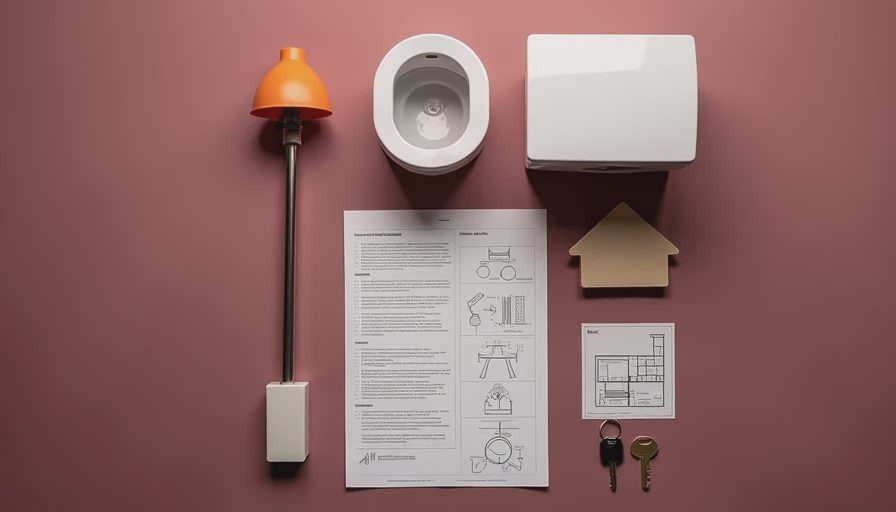
Finding the best toilet for rental properties clog resistant enough for everyday tenant use is less exciting than choosing paint colors. It is also more important. A toilet that clogs twice a year can turn a $250 fixture into $700 in plumber visits, water damage, and irritated tenants. I want a toilet that flushes well, uses readily available parts, and does not require a special tool every time the flapper gets moody.
I manage four single-family rentals around Charlotte, and I have replaced enough toilets to develop opinions. Some are based on invoices. Some are based on kneeling on a bathroom floor at 8:30 p.m. while wondering why I did not buy the $40 better model in the first place. Let's run the numbers.
What makes a rental toilet clog resistant
Start with the trapway. That is the internal passage waste travels through. A wider trapway generally gives solids more room to move, while glazed porcelain helps create a smoother surface. Look for a fully glazed trapway and a modern flush rated around 1.28 gallons per flush or 1.6 gallons per flush.
Flush performance matters more than a fancy seat or slow-close lid. Pressure-assisted toilets can move waste forcefully, but they are often louder and use specialized replacement parts. Gravity toilets with a strong engineered flush are usually the better fit for a small landlord. They are quieter, easier to service, and familiar to most plumbers.
A larger flush valve is another useful feature. Three-inch valves are common on higher-performing residential models and can release water faster than older two-inch designs. That does not guarantee a clog-free bathroom. No toilet can defeat wipes, toys, paper towels, or a tenant who treats the bowl like a trash can. It does improve your odds.
Look for WaterSense certification if water use matters in your market. A 1.28-gallon model can save water without feeling weak when the bowl and trapway are designed properly. Do not buy based on gallons alone. A cheap 1.28-gallon toilet with a poor flush is not a bargain.
The models I would actually price
The American Standard Champion 4 is the obvious contender when clog resistance is the top priority. Its large trapway and strong flush are designed for difficult waste loads. Prices commonly land around $350 to $550 for the complete toilet, depending on the retailer and package. That is more than a basic builder model, but one avoided emergency call can erase much of the difference.
The Kohler Highline Classic is a more budget-friendly choice. It is widely available, usually costs roughly $180 to $300, and uses common parts. The Highline family includes several configurations, so read the exact model details before ordering. I like it for a normal rental where the existing drain and water pressure are in good shape.
The TOTO Drake is another practical middle option. It has a strong reputation among homeowners and plumbers, typically costs about $250 to $450, and comes in several rough-in and bowl configurations. The replacement parts are not exotic, which matters when the toilet is leaking on a Saturday morning and your regular plumber is booked.
Prices shift, and the seat may be sold separately. Add $25 to $60 for a decent seat, $10 to $20 for a new supply line, and perhaps $15 for a wax ring or alternative seal. If a plumber installs it, labor can add $150 to $300 depending on access and local rates.
The numbers behind a better toilet
Suppose a basic toilet costs $180 installed. A stronger model costs $425 installed. That is a $245 difference. If the cheaper toilet causes one $175 after-hours service call and a second $225 call over five years, the premium has already paid for itself. That calculation does not include tenant turnover, a stained ceiling below, or the time spent coordinating access.
This is where landlords sometimes overbuy. You do not need a $900 smart toilet with heated features in a $1,500-a-month rental. Tenants are not paying extra rent because the lid warms up. They will notice a toilet that clogs, rocks, leaks, or takes three flushes.
My target is a reputable $250 to $500 toilet with a good flush, standard parts, and a shape that cleans quickly. Round bowls often cost less and fit smaller bathrooms. Elongated bowls are usually more comfortable but need more clearance. Measure from the wall behind the toilet to the center of the floor bolts before ordering. A standard rough-in is often 12 inches, but older homes can surprise you.
Installation details that prevent future calls
The toilet itself is only half the system. During replacement, inspect the flange. If it is cracked, too low, or badly corroded, a new bowl will not solve the leak. This is the moment to fix the foundation, not after water appears on the ceiling downstairs.
Use a new wax ring or manufacturer-approved seal every time. Replace the supply line rather than reusing a stiff, discolored one. Tighten the closet bolts evenly, then trim the excess. Over-tightening can crack porcelain. I learned that lesson while trying to be efficient, which is a polite way of saying I created a second trip to the hardware store.
After installation, flush the toilet repeatedly with the tank lid off. Check the fill valve, tank bolts, supply connection, and base. Sit on the seat and gently test for movement. A toilet that rocks today will eventually damage the seal.
Give tenants simple instructions at move-in. Only toilet paper belongs in the bowl. “Flushable” wipes are a marketing argument, not a plumbing strategy. A small printed note inside the bathroom cabinet can prevent a surprisingly expensive misunderstanding.
What I would choose for each rental
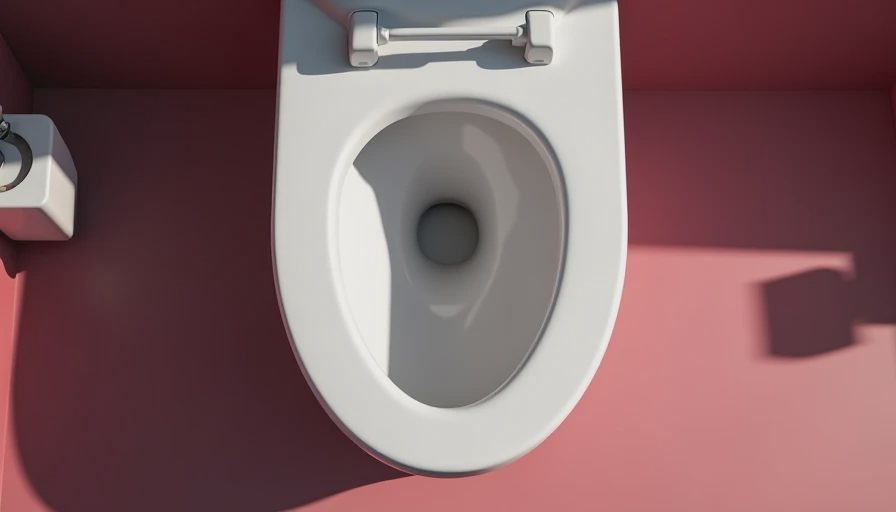
For a family rental with two or three bathrooms, I would price the American Standard Champion 4 for the busiest bathroom and use a Kohler Highline or TOTO Drake elsewhere. The high-use fixture gets the extra flushing margin. The other bathrooms get a reliable, serviceable model without turning the renovation budget into a plumbing showroom.
For a small bathroom, I would choose a round-front version if clearance is tight. For an older property with uncertain water pressure, I would ask a plumber to assess the supply and drain before buying several toilets. A powerful toilet cannot compensate for a partially blocked branch line or a failing shutoff valve.
I would also buy one matching replacement fill valve and flapper when installing multiple units. That $15 to $30 in shelf stock is cheaper than a rush delivery. Write the exact model number in your property spreadsheet. Future-you will be grateful when a tenant sends a blurry photo of the tank label.
My final rental-property buying rule
The best toilet for rental properties clog resistant enough to justify its cost is not necessarily the most expensive model. It is the one with a strong, proven flush; a glazed trapway; ordinary replacement parts; the right rough-in; and enough durability to survive real use.
My shortlist starts with the American Standard Champion 4, TOTO Drake, and Kohler Highline, then narrows based on price, bathroom size, and local parts availability. I would spend the extra money on flush performance before decorative features every time.
A toilet is not a design statement in a rental. It is infrastructure. Buy the model that reduces calls, install it correctly, document the parts, and explain what should never be flushed. That is how the best toilet for rental properties clog resistant becomes a boring purchase—and boring plumbing is exactly what I want.
Keep Reading

Landlord Approved Light Fixtures and Hardware That Actually Hold Up
Landlord approved light fixtures and hardware for rentals: durable, affordable p...
Scratch Resistant Countertops for Rental Kitchens: What Actually Pays Back
Scratch resistant countertops for rental kitchens can cut turnover headaches. Co...

Best Paint Sheen for Rental Walls Easy to Clean: A Landlord's Practical Guide
Find the best paint sheen for rental walls easy to clean, with practical landlor...
Owner Letters
0 lettersNo letters yet — be the first to write one.