
Scratch Resistant Countertops for Rental Kitchens: What Actually Pays Back
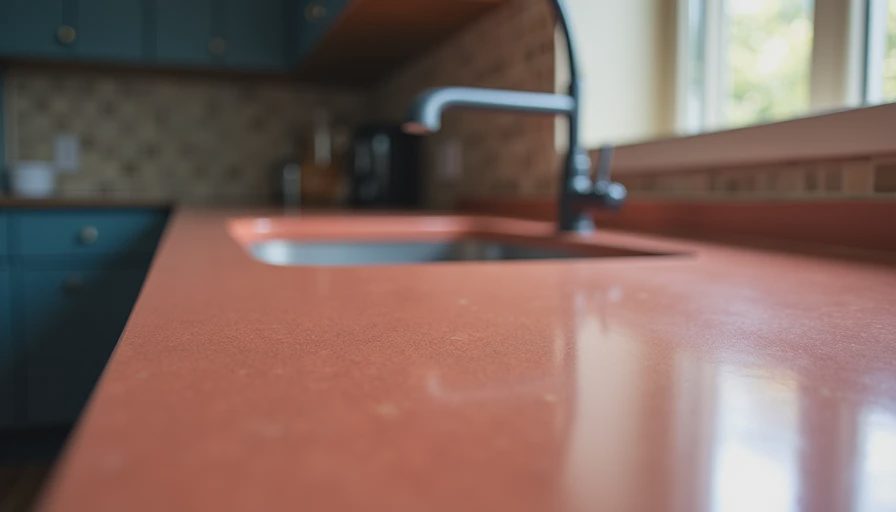
When I started comparing scratch resistant countertops for rental kitchens, I had one question: will this surface survive a tenant, a move-out clean, and a Labrador tail? Pretty is nice. Replacing a damaged counter every few years is not. For a small landlord, the right countertop is a maintenance decision first and a design decision second.
A rental kitchen does not need the most expensive slab in the showroom. It needs a surface that handles grocery bags, hot pans, spilled coffee, cheap appliances, and the occasional tenant who uses the counter as a cutting board. That last one is not hypothetical. I have seen knife marks in laminate that looked like someone prepared dinner with a chainsaw.
Start with the real rental-kitchen budget
The countertop price is only one line on the invoice. You also have demolition, disposal, sink removal, plumbing reconnection, backsplash repairs, delivery, and installation. A modest 35-square-foot kitchen might cost roughly $1,200 to $2,500 for basic laminate installed. Solid surface can land around $2,000 to $4,000. Quartz commonly reaches $3,000 to $6,000 or more, depending on layout, edge details, and local labor.
Those are planning ranges, not promises from a contractor. Still, they help put the decision in the right frame. If the property rents for $1,650 per month, spending an extra $2,000 on a countertop will not automatically create a $200 rent increase. It may reduce repairs and make the kitchen easier to market, but the payback is usually operational rather than dramatic rent growth.
Let's run the numbers. If a cheap surface needs a $350 repair twice during a five-year hold, plus a three-day turnover delay, the bargain starts looking less clever. A durable counter that costs $1,000 more upfront can make sense when it also reduces patching, emergency calls, and replacement risk.
Which materials handle tenant wear best?
Quartz is the easy recommendation when the budget allows. Brands such as Cambria, Caesarstone, and MSI offer nonporous engineered stone with consistent patterns and no sealing schedule. Quartz resists everyday scratches better than basic laminate, cleans up easily, and photographs well in a listing. It is not indestructible. A heavy impact at a corner can chip it, and manufacturers generally warn against placing very hot cookware directly on the surface.
Solid surface, including Corian-style acrylic products, is another practical option. Scratches can often be sanded and blended by a professional, which is useful in a rental. Seams are less visually dramatic than they can be with stone. The downside is that the material can scratch more easily than quartz, and a deep burn or major gouge still requires labor. For a straightforward kitchen, that repairability is valuable.
Laminate has the lowest upfront cost and has improved significantly. Wilsonart and Formica offer patterns that do not scream 1998. High-pressure laminate can handle normal use, but exposed seams, swollen edges, and knife cuts remain its weak points. It belongs in a budget rental when the cabinets and layout do not justify a larger investment.
For scratch resistant countertops for rental kitchens, I would usually rank quartz first, repairable solid surface second, and quality laminate third. But the property class matters. Do not install a $6,000 counter in a $1,400 rental just because the sample looks expensive.
The details that prevent expensive damage
Material alone will not make a counter tenant-proof. The edge profile matters. A simple eased edge is less likely to chip than a sharp, elaborate edge. Avoid complicated grooves and decorative profiles that collect grease and demand extra cleaning. A slightly rounded front edge also feels better in a working kitchen and gives fewer opportunities for impact damage.
Pay attention to the sink cutout. A poorly supported corner near an undermount sink is vulnerable, especially if tenants store heavy cast-iron cookware underneath. Ask the installer how the counter will be supported around the sink and dishwasher. This is not the moment to become a structural engineer from a three-minute video. If the cabinet needs reinforcement, hire someone who knows what they are doing.
Keep the color forgiving. A busy mid-tone pattern hides crumbs, small stains, and minor marks better than a solid white surface. That does not mean choosing something gloomy. A warm gray, soft taupe, or restrained stone pattern usually survives listing photos and real life better than bright white with a dark, obvious scratch.
I also prefer standard sink and faucet sizes. Special-order parts create future supply problems. If a faucet fails two years from now, I want a replacement available at a local hardware store, not a mystery website with a six-week shipping estimate.
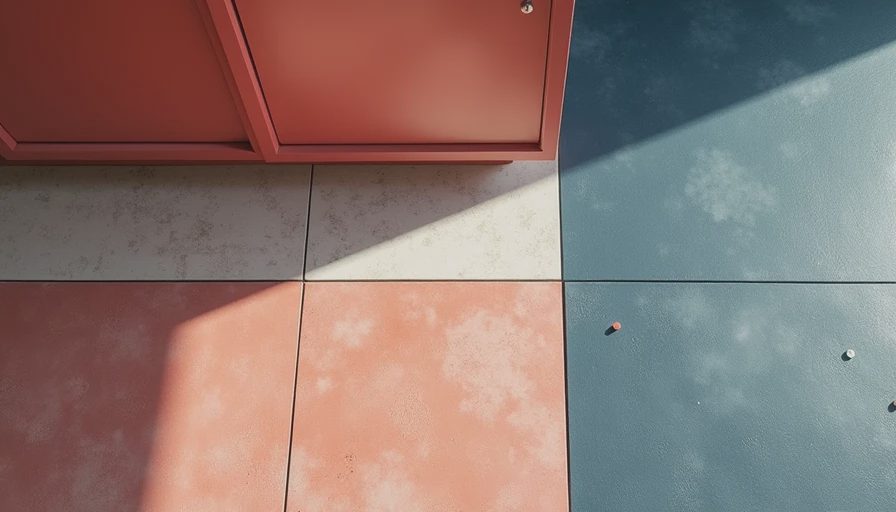
A simple comparison before you order
For the lowest initial cost, laminate usually wins. Expect roughly $40 to $75 per square foot installed in many ordinary projects, depending on fabrication and region. It is a sensible choice for a clean, modest rental where replacement every ten or twelve years is acceptable.
For the best balance of appearance and repairability, solid surface deserves a close look. Installed pricing often falls near $60 to $120 per square foot. A scratch is annoying, but it is not necessarily a replacement event. That distinction matters when you self-manage and every service call consumes an evening.
Quartz generally costs about $80 to $150 per square foot installed, with premium colors and difficult layouts pushing higher. It offers a stronger everyday surface and a better marketing impression, but it still needs basic care. Tenants should use a cutting board and trivets. A warranty will not turn careless use into covered damage.
This is why scratch resistant countertops for rental kitchens should be selected by risk, not showroom excitement. A long-term rental with stable tenants may reward quartz. A starter property with thin margins may be better served by solid surface or quality laminate.
What I would install in three common rentals
In a basic two-bedroom rental with older cabinets, I would repair the boxes, install a dependable laminate top, use a simple stainless sink, and spend the saved money on lighting and a good range hood. Those upgrades improve daily use without pretending the property is a luxury unit.
In a clean three-bedroom home renting to a family, I would price midrange quartz in a forgiving pattern. Families use kitchens hard. The extra cost can be reasonable if the cabinets are sound and the counter will remain in place for a decade. I would skip waterfall edges and expensive veining. Tenants pay for function, not your design school portfolio.
In a higher-end rental where the kitchen already has quality appliances and durable flooring, quartz makes the most sense. The counter should match the rest of the property. One bargain surface surrounded by upgraded finishes looks like an unfinished decision.
Whatever the tier, get at least three written quotes. Ask each contractor to separate material, fabrication, removal, plumbing, disposal, and installation. That makes a $900 price difference easier to understand. Sometimes one quote simply forgot half the work.
The move-out test I actually use
Before approving the order, imagine the move-out inspection. Can a cleaner wipe it down without special products? Will a small scratch disappear into the pattern? Can the next sink or faucet be sourced without replacing the whole counter? If a tenant damages one section, is repair possible, or are you buying a complete replacement?
Request material samples and abuse-test them at home. Drag a grocery can across the surface. Spill tomato sauce and coffee, then clean both. Tap a pan near the edge, carefully and reasonably. Try a plastic cutting board, not a knife directly on the sample. I once skipped this step on a bathroom material and spent a Saturday fixing my own overconfidence while Chloe handed me ice packs. Never again.
The best scratch resistant countertops for rental kitchens are not necessarily the toughest products available. They are the ones that fit the rent, the cabinets, the neighborhood, and your tolerance for future calls. If it won't survive Otis's tail, it doesn't belong in my rental. Get the quotes, price the whole job, and choose the surface that still looks smart when the spreadsheet—not the showroom—makes the final decision.
Keep Reading

Landlord Approved Light Fixtures and Hardware That Actually Hold Up
Landlord approved light fixtures and hardware for rentals: durable, affordable p...
Best Toilet for Rental Properties Clog Resistant: What I Would Buy
best toilet for rental properties clog resistant options for landlords who want ...

Best Paint Sheen for Rental Walls Easy to Clean: A Landlord's Practical Guide
Find the best paint sheen for rental walls easy to clean, with practical landlor...
Owner Letters
0 lettersNo letters yet — be the first to write one.