
Landlord Approved Light Fixtures and Hardware That Actually Hold Up
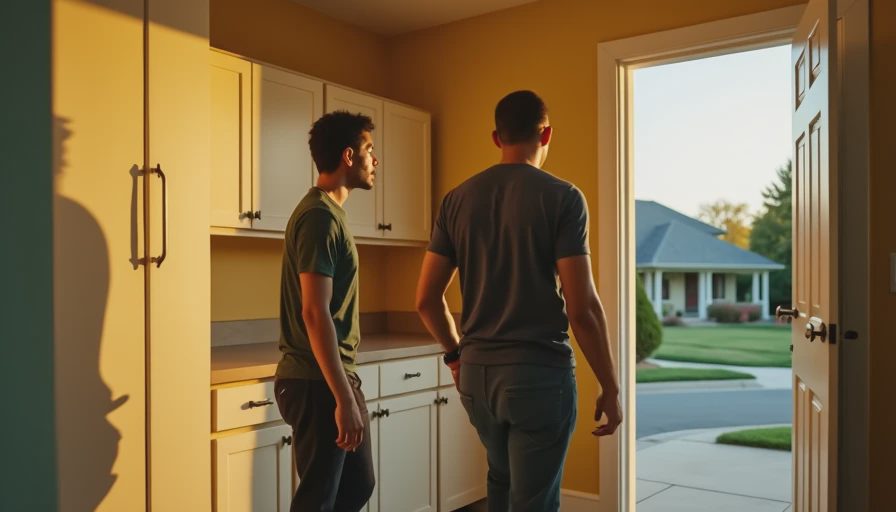
Landlord approved light fixtures and hardware are not about creating a magazine-worthy rental. They are about choosing products that survive tenants, moving furniture, enthusiastic dogs, and the occasional person who yanks a cabinet knob like it owes them money. I want decent-looking materials, easy replacement, and a price that does not make me stare at the receipt in silence.
Let's run the numbers. A $28 ceiling light that takes standard bulbs and has replaceable glass is usually a better rental decision than a $145 fixture with an unusual shade. The expensive one might look wonderful on installation day. Then a tenant breaks the globe, the manufacturer discontinues it, and you are hunting eBay at 10:30 p.m. No, thank you.
What makes a fixture landlord approved?
For me, the first test is replacement speed. Can I buy the bulb at Home Depot, Lowe's, or a local hardware store? Can I order the same fixture again six months from now? Does the fixture use ordinary mounting hardware? If the answer is no, it is probably not going into one of my four rentals.
Landlord approved light fixtures and hardware should also be boring in the best possible way. Flush mounts are safer than dangling pendants in low-ceiling rooms. Brushed nickel, matte black, and simple white finishes hide fingerprints better than polished chrome. Clear glass looks bright but shows every speck of dust. Frosted glass is more forgiving — especially in an entryway where nobody remembers to dust.
Check the electrical rating before installation. Damp-rated fixtures belong in bathrooms and covered outdoor locations when required by the product instructions. Wet locations need fixtures specifically rated for wet exposure. This is not the spot to improvise. If wiring is damaged, a junction box is missing, or the installation goes beyond a straightforward replacement, I hire an electrician. My DIY confidence ends before the breaker panel starts making decisions for me.
My practical fixture list by room
In bedrooms, I like a low-profile LED flush mount or a basic two-bulb ceiling fixture. Expect to spend $25 to $65. Pick something with a replaceable bulb if possible. Integrated LEDs can work, but I prefer a model with a long warranty and an easy-to-find replacement. A failed sealed fixture should not require replacing the entire ceiling light.
For hallways, a $20 to $45 flush mount is enough. Hallways do not need a design statement. They need light. In kitchens, choose a brighter fixture with a cleanable glass cover. A simple 12-inch or 14-inch semi-flush mount usually lands around $40 to $90 and looks better than the builder-grade plastic dome without creating a maintenance headache.
Bathroom vanity lights need more thought. Three-light fixtures in the $35 to $85 range are widely available, and exposed bulbs make replacement simple. I avoid delicate fabric shades near sinks. They collect moisture and makeup dust, which is not a charming combination.
For landlord approved light fixtures and hardware, consistency matters more than variety. Using one finish throughout a house means I can keep spare knobs, pulls, and fixture parts in one labeled storage bin. That saves a supply run when a tenant reports a problem on a Tuesday morning.
Hardware that survives real tenants
Cabinet hardware takes more abuse than people expect. A loose pull becomes a missing pull. A missing pull becomes a tenant using the cabinet door edge. Then the edge chips. Then I am repairing a cabinet because someone wanted to save six seconds.
I usually choose 3-inch center-to-center bar pulls in matte black or brushed nickel. That measurement matters because it is a common size, and replacement options are plentiful. Basic pulls cost roughly $2 to $6 each when purchased in a multipack. Knobs often run $1.50 to $4 each. For a kitchen with 20 doors and drawers, a complete hardware refresh can stay under $100 if I avoid boutique packaging.
For door hardware, passage knobs work for rooms that do not need a lock, while privacy knobs belong on bedrooms and bathrooms. I like Schlage and Kwikset for availability, though I select the specific model based on the existing bore and backset. Before ordering, measure the door. Do not assume every replacement is universal because the product description says “easy install.” I have made that assumption. Chloe had to bring me ice packs after a bathroom project. We are not discussing it further.
Use sturdy screws and keep the extras. Hardware screws disappear into the same household dimension as socks and measuring spoons. A small labeled bag taped inside the maintenance bin can save a trip to the store.
How to buy without overspending
Landlord approved light fixtures and hardware should be priced as a system, not as individual pretty objects. Start with a room-by-room list: number of ceiling fixtures, vanity lights, cabinet pulls, knobs, towel bars, and replacement bulbs. Add 10 percent for breakage and future swaps. If a house needs eight fixtures at $45 each, that is $360 before labor. Add 30 pulls at $3 each, and the hardware is another $90. The whole update can stay around $450 to $650, depending on the bathroom and electrical work.
Compare the installed cost, too. A fixture that saves $25 but takes an electrician an extra hour is not a bargain. For a straightforward replacement, labor might be modest, but complicated ceilings, old wiring, or inaccessible boxes can change the calculation quickly. I would rather pay for safe installation than turn a small refresh into an insurance claim.
Buy from retailers with predictable inventory. Home Depot, Lowe's, Menards, Wayfair, and Amazon all carry common styles, but product quality varies within every retailer. Read the installation instructions and reviews for recurring complaints about stripped screws, cracked shades, or missing parts. One bad review is not a verdict. Twenty people mentioning the same flimsy mounting bracket is useful data.
A simple turnover inspection
Before a new tenant moves in, test every light switch. Turn each fixture on for several minutes. Check for flickering, loose shades, buzzing, and heat around the canopy. Open every cabinet and pull each handle firmly. Tighten anything that moves. Look at the screw heads; if they are already damaged, replace them before the tenant has to report the issue.
Photograph the fixture model number and the hardware finish. Store those photos with the property records. I also keep one spare vanity shade, a few matching pulls, two privacy knobs, and the correct bulbs for each house. That small inventory costs perhaps $50 to $100 per property and can prevent a rushed Saturday repair run.
If a fixture has an integrated LED, record the exact model and warranty information. If it uses standard A19 bulbs, record the preferred color temperature. I normally use 3000K for a warm but practical look. Mixing very blue bulbs in one room with warm bulbs in another makes even a clean rental feel oddly unfinished.

The finish that pays for itself
The best landlord approved light fixtures and hardware are not the cheapest items on the shelf. They are the ones that look clean, use common replacement parts, and do not create a special maintenance procedure. That usually means simple shapes, standard bulbs, durable finishes, and hardware with ordinary measurements.
A tenant does not need a designer pendant in the hallway. They need a light that works when they come home carrying groceries. They do not need $18 cabinet pulls. They need pulls that stay attached when a child opens the junk drawer with both hands.
My rule is simple: if it will not survive Otis's tail, it does not belong in my rental. That applies to fragile glass, dangling cords, and anything with a decorative piece waiting to snap off. Spend the money where safety and durability matter. Save it where the upgrade only photographs well.
Choose a small set of repeatable products, keep the receipts and spare parts, and install everything correctly. That is how landlord approved light fixtures and hardware earn their place in the budget — not by impressing guests for one weekend, but by lowering the number of tiny emergencies that land on your phone for the next five years.
Keep Reading
Best Toilet for Rental Properties Clog Resistant: What I Would Buy
best toilet for rental properties clog resistant options for landlords who want ...
Scratch Resistant Countertops for Rental Kitchens: What Actually Pays Back
Scratch resistant countertops for rental kitchens can cut turnover headaches. Co...

Best Paint Sheen for Rental Walls Easy to Clean: A Landlord's Practical Guide
Find the best paint sheen for rental walls easy to clean, with practical landlor...
Owner Letters
0 lettersNo letters yet — be the first to write one.