
How to Read a Mold Remediation Quote Before You Approve It
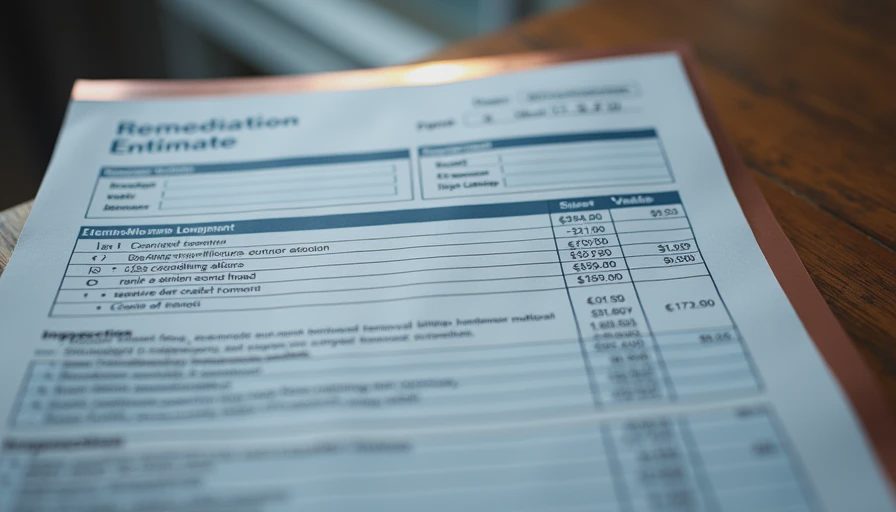
A mold remediation quote is not just a number at the bottom of a page. For a landlord, it is a plan for stopping the moisture, removing contaminated material, protecting the tenant, and getting the rental back on the market. Those are four separate jobs. If the contractor only lists “mold cleanup” for $2,400, you do not have enough information to approve the work.
I learned this after a tenant called about a musty bedroom closet. The first contractor wanted to fog the entire room. The second found a slow plumbing leak behind the bathroom wall. Same house. Two very different invoices. Let’s run the numbers before anyone starts cutting drywall.
What a mold remediation quote should include
A useful mold remediation quote starts with the source of the moisture. That might be a roof leak, supply-line failure, overflowing HVAC drain, plumbing leak, crawl-space humidity, or condensation around an exterior wall. Removing visible mold without correcting the water problem is like mopping while the bathtub is still running.
Look for a written description of the affected areas. It should identify rooms, walls, ceilings, flooring, cabinets, insulation, and any contents that will be moved or discarded. “Treat mold throughout property” is too vague. Ask for approximate square footage and a clear explanation of what gets removed versus cleaned.
The quote should also describe containment. Plastic barriers, negative air pressure, air scrubbers, and proper personal protective equipment can matter when workers disturb contaminated materials. The contractor should explain how dust and spores will be kept out of occupied areas. If a tenant is still living there, ask whether they need to leave during demolition or cleaning.
Finally, check the disposal language. Some materials can be cleaned. Porous drywall, insulation, carpet padding, and badly affected particleboard often need removal. The quote should say who bags, transports, and disposes of debris. That detail prevents the “dump fee” surprise later.
How much does mold remediation cost?
A small, contained cleanup can land around $500 to $1,500 when the source is already fixed and only limited surface materials need attention. A moderate bathroom, wall, or crawl-space project often runs $1,500 to $4,000. Larger jobs involving multiple rooms, demolition, ductwork, extensive drying, or replacement materials can pass $5,000 and climb well beyond that.
Those ranges are not a substitute for a site-specific mold remediation quote. Labor rates differ by market, and the price changes quickly when a contractor finds wet insulation or damaged framing. In Charlotte, for example, a one-day cleanup is a different financial decision from a project that leaves a two-bedroom rental vacant for ten days.
Separate the remediation cost from reconstruction. Mold contractors may remove drywall and flooring but not install new cabinets, paint walls, replace trim, or rebuild a bathroom. Get those follow-up costs in your spreadsheet. A $2,800 cleanup can become a $6,000 vacancy project after $1,700 in drywall and paint, $900 in flooring, and lost rent.
Testing is another line item. Air sampling is not automatically necessary for every visible mold problem, and testing does not locate the moisture source. It can be useful when the diagnosis is unclear, occupants report symptoms, or you need documentation before and after work. Ask what question the test will answer before paying $300 to $800 for it.
Comparing contractors without getting played
Get at least two written quotes when the situation allows. Do not compare only the totals. Put each contractor’s scope into columns: moisture investigation, containment, demolition, cleaning, drying equipment, testing, disposal, reconstruction, warranty, and expected timeline.
One mold remediation quote might include three days of air-scrubber rental. Another might charge equipment by the day. One might include post-remediation verification. Another might say “testing available upon request,” which means it is not included. These are not small wording differences. They can add hundreds of dollars.
Ask whether the company is insured, how long it has handled remediation, and whether the workers doing demolition are employees or subcontractors. Request references for similar rental projects, not just large commercial buildings. A contractor who normally restores office towers may not be the best fit for a 1,100-square-foot rental with a tenant and a tight turnover deadline.
Be careful with anyone promising a permanent mold-free home. Mold spores are present in ordinary indoor and outdoor environments. The practical goal is to remove affected material, dry the building, clean appropriately, and prevent recurrence. A fogging treatment alone is not a magic eraser.
Insurance, documentation, and tenant communication
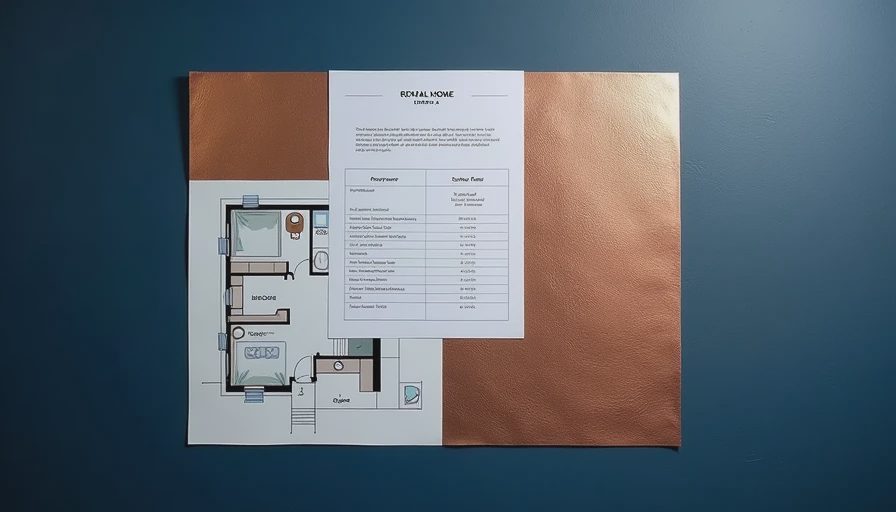
Before authorizing expensive work, call the property insurer and ask how the policy handles the specific event. Mold coverage is often limited or excluded, but a covered sudden water loss could affect the outcome depending on the policy and facts. A long-term leak, deferred maintenance, or flooding may be treated differently from a burst pipe.
Photograph everything before demolition. Take wide shots, close-ups, moisture-meter readings if available, damaged personal property, the plumbing source, and the date on the images. Save the tenant’s written report, your maintenance messages, the contractor’s inspection, invoices, receipts, and any test results in one folder.
Do not promise the tenant a particular health result. Do give clear information about access, equipment noise, temporary relocation, and expected completion dates. If the bedroom is affected, a hotel or rent-credit decision can become part of the real project cost. Put agreements in writing, and follow local landlord-tenant requirements rather than improvising from a Facebook comment.
A landlord’s approval checklist
Before signing a mold remediation quote, confirm these points:
- The moisture source has been found and repaired, or the quote states who will handle that repair.
- The affected rooms and estimated square footage are listed.
- Demolition, cleaning, drying, containment, and disposal are explained in plain language.
- The quote identifies materials that will be discarded and materials that can be cleaned.
- Testing is included only if needed, with the test type and price shown.
- Reconstruction is either included or priced separately.
- The payment schedule, change-order process, and expected timeline are written down.
- The contractor provides proof of insurance and a workmanship warranty, if offered.
- The plan explains tenant access, relocation, and daily equipment needs.
- The final invoice will match the approved scope unless you authorize a written change.
That checklist takes ten minutes. It can save you from approving a vague $4,000 promise and discovering that the bathroom wall, baseboards, and repainting were never included.
My practical bottom line
Choose the clearest scope, not automatically the lowest price. A $1,200 quote that ignores the leak is not cheaper than a $2,600 plan that fixes the source and documents the cleanup. The right mold remediation quote should let you answer three questions: What caused the problem? What exactly will be removed or cleaned? What will the property need afterward?
For a small landlord, this is where the spreadsheet earns its keep. Add remediation, repairs, testing, tenant costs, vacancy, and the next inspection. Then compare that total with the cost of delaying. Mold is not a cosmetic punch-list item when moisture is active. Get the source controlled, get the scope in writing, and approve work you can explain to your insurer, your tenant, and your future self.
Keep Reading

benefits of lvp vs carpet in multifamily housing: the landlord's practical guide
Benefits of lvp vs carpet in multifamily housing: compare durability, maintenanc...

The $38 Faucet Upgrade That Made a Rental Look $200/Month Better
A simple $38 faucet upgrade in one rental kitchen made it feel significantly bet...
What I Pay a Handyman For — and Why That's Not Failure
I outsource certain repairs to handymen and it’s not failure — it’s smart busine...
Owner Letters
0 lettersNo letters yet — be the first to write one.