best materials for rental properties: What I Actually Use
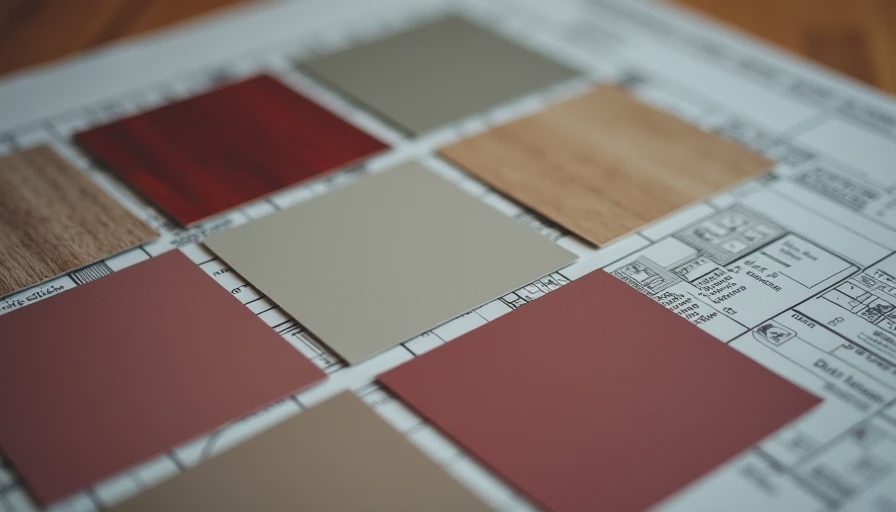
If you own one rental, material choices feel like a design decision. By the fourth property, you realize they are really a maintenance decision wearing a cute backsplash. The best materials for rental properties are not always the cheapest or the fanciest. They are the choices that survive tenants, pets, move-outs, and your own limited Saturday schedule.
I manage four single-family rentals around Charlotte, and I track repair costs in a spreadsheet because apparently I enjoy making vacation look like accounting. My filter is simple: Will this hold up for five to ten years? Can a local contractor install it without drama? Does it look clean enough to support market rent? Let's run the numbers.
Flooring that survives real life
For most rentals, luxury vinyl plank is my first choice. Not the bargain-bin, paper-thin product. Look for a waterproof or water-resistant plank with a wear layer around 12 mil or thicker for normal residential use. In a high-traffic home with dogs, I prefer 20 mil when the price difference is reasonable.
Material and installation often land around $3 to $7 per square foot, depending on demolition, subfloor repairs, and labor. A 1,200-square-foot installation can therefore run $3,600 to $8,400. That is a meaningful check, but it is still easier to repair than carpet stained by a puppy or hardwood scratched by a tenant's furniture.
Choose a medium natural oak color. Very dark floors show dust and scratches. Very pale gray floors announce every muddy paw print. I learned this after Otis's tail sent a water bowl across my own hallway. If it won't survive Otis's tail, it doesn't belong in my rental.
Carpet still makes sense in bedrooms, especially in colder markets or family-oriented neighborhoods. Use a basic, tightly looped or low-pile product in a neutral color. Skip plush carpet. It traps odors, shows furniture dents, and becomes a replacement conversation much sooner than you want.
Paint, trim, and wall protection
The best materials for rental properties include boring paint. Boring is good. I use a washable eggshell finish in living areas and bedrooms, with semi-gloss or satin in bathrooms, kitchens, and laundry rooms. Matte paint can look beautiful for about three weeks. Then a tenant wipes a mark near the light switch, and the cleaned patch shines like a tiny witness against you.
A quality interior paint usually costs more per gallon, but coverage matters. Spending $45 instead of $25 on paint is not automatically smart. If the expensive product covers in one coat while the cheap product requires two, compare total gallons and labor. A $300 paint job can become a $650 job when the painter needs another full day.
I keep one standard warm white and one soft greige across all four homes. This makes touch-ups easier and keeps leftover paint useful. Label each can with the address, room, date, and sheen. Future-you will be grateful when a tenant reports a scuff five days before a showing.
Use solid wood or finger-jointed primed trim where practical, not the thinnest flexible material available. Replace damaged baseboard rather than trying to hide every dent with caulk. In homes with large dogs, I also like a slightly taller baseboard. It looks finished and gives a vacuum less opportunity to chew the wall.
Kitchen surfaces and cabinets
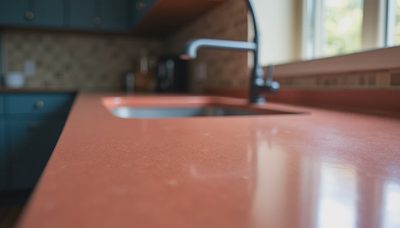
Countertops take abuse, but they do not need to look like a luxury showroom. Laminate is still a legitimate rental material. Current patterns can look clean, installation is straightforward, and repairs are less painful than replacing stone. Expect roughly $25 to $50 per square foot installed for many midrange options, while quartz can easily move into the $60 to $100 range after fabrication and installation.
Ask what the rent supports. If quartz costs $4,000 more but does not increase monthly rent or reduce turnover, that money is sitting in a countertop instead of your reserve account. I would rather put it toward a reliable range, a better exhaust fan, or fixing the soft spot under the sink.
For cabinets, factory-finished doors are usually easier to clean than a rushed DIY paint job. If existing boxes are sound, new doors and simple pulls can refresh a kitchen without a full replacement. When painting is the right answer, use a bonding primer and cabinet-rated enamel. I once tried to tile and repaint a bathroom in one weekend. Chloe brought me ice packs. I hired help the next time.
Choose brushed nickel or matte black hardware based on what is already common in the home, not because a social media post declared a new finish. Standard sizes make replacement easier. Keep two spare pulls and a drawer slide in a labeled bin.

Bathrooms: spend where water is involved
The best materials for rental properties matter most in wet rooms. Water damage turns a small cosmetic decision into a $2,000 afternoon very quickly.
Use porcelain or ceramic tile on floors and shower walls when the installation is done correctly. Large-format tile can reduce grout lines, but it does not forgive an uneven wall. If the substrate needs major correction or structural work, hire the professional. This is not where I practice being brave.
For a budget-friendly tub surround, a quality acrylic surround is often easier to clean and less vulnerable to cracked grout than small tile. A standard vanity with a durable laminate or cultured-stone top is practical. Avoid ornate legs, unusual faucet holes, and discontinued hardware. Replacement parts are not a personality trait.
Buy a bathroom exhaust fan that actually moves air and connect it properly to the exterior where required. Poor ventilation creates peeling paint, mildew, and tenant complaints. Spend $150 to $350 on a decent fan and installation rather than repainting a damp ceiling every year.
Use elongated toilets only when the room has enough clearance, and stick with common rough-in dimensions. A $200 to $350 standard toilet is easier to replace than a designer model with a specialized seat or internal parts.
Doors, lighting, and hardware
Interior doors get slammed, handles get pulled, and light fixtures get tested by children with questionable judgment. Solid-core doors cost more than hollow-core doors, but they reduce noise and feel sturdier. I use them selectively for bedrooms near living areas, not automatically throughout a starter rental.
For fixtures, choose simple LED ceiling lights with replaceable or widely available components. Integrated LEDs can look sleek, but when the sealed unit fails, the entire fixture may need replacement. A basic $30 to $80 fixture is not exciting. It is easy to stock and easy to explain to a contractor.
Install lever handles instead of round knobs when accessibility and ease of use matter. Select a common finish and brand family where possible. Do not buy the cheapest deadbolts. A better lock is a small cost compared with rekeying headaches and a tenant who cannot secure the front door.
The best materials for rental properties include practical window coverings, too. Faux-wood blinds are more forgiving than fabric shades and can be replaced one slat at a time. Cordless options reduce hazards and look cleaner. Measure twice before ordering; custom mistakes are expensive paperweights.
A purchasing process that saves money
My renovation process starts with a scope, not a shopping trip. I list every surface, quantity, finish, lead time, and acceptable substitute. Then I price the full installed job, including delivery, demolition, disposal, fasteners, trim, and the annoying little transition strip nobody remembered.
Buy from suppliers with dependable stock. A product that costs $1 less per box is not a bargain if the final six boxes arrive three weeks later. Keep a backup selection for flooring and fixtures. Supply shortages are less stressful when you have already approved Plan B.
For a turnover, I prioritize water protection, flooring, paint, lighting, and hardware before decorative upgrades. Photograph the finished work and save invoices, model numbers, and paint codes. That file helps with tax records, insurance conversations, and the next repair call.
The best materials for rental properties will not make every tenant stay forever. They can reduce the number of calls, shorten your turnover window, and keep one bad weekend from becoming a month of lost rent. Spend where failure causes damage. Save where replacement is easy. And before you approve that beautiful $4,000 backsplash, ask the only question that matters: will it survive the rental?
Keep Reading

Landlord Approved Light Fixtures and Hardware That Actually Hold Up
Landlord approved light fixtures and hardware for rentals: durable, affordable p...
Best Toilet for Rental Properties Clog Resistant: What I Would Buy
best toilet for rental properties clog resistant options for landlords who want ...
Scratch Resistant Countertops for Rental Kitchens: What Actually Pays Back
Scratch resistant countertops for rental kitchens can cut turnover headaches. Co...
Owner Letters
0 lettersNo letters yet — be the first to write one.