
Waterproof flooring for basements rentals: what actually survives tenants
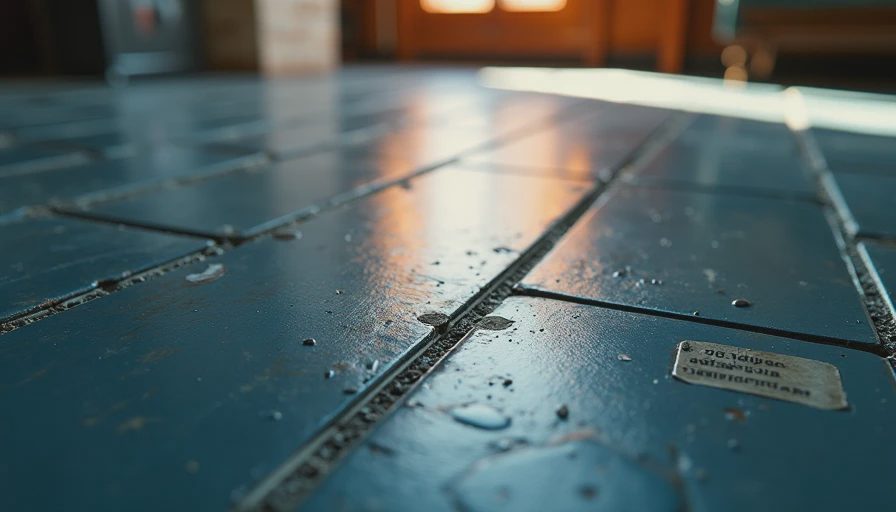
If you own a rental with a basement, waterproof flooring for basements rentals is not a design decision first. It is a damage-control decision. Basements deal with humidity, plumbing surprises, muddy shoes, pet accidents, and tenants who believe a dehumidifier is optional. I want a floor that looks decent on move-in day and still looks decent after somebody drags a bookshelf across it.
I manage four single-family rentals around Charlotte, and I have learned to ask one question before buying anything: will this survive Otis's tail? If the sample cracks, swells, stains, or requires a tenant to treat it like a museum exhibit, it is out.
Start with the basement problem, not the flooring sample
Before comparing products, find out why the basement gets wet. Flooring cannot fix groundwater coming through a foundation wall. It cannot stop a failed sump pump. It cannot compensate for a downspout dumping rain beside the house.
Walk the space after heavy rain. Look for damp corners, white mineral deposits on concrete, musty odors, and water marks along the walls. Check that gutters discharge several feet away from the foundation. Test the sump pump, and consider a battery backup if the basement contains a furnace, electrical panel, or finished living area. If you see active water intrusion, hire a qualified waterproofing contractor before installing anything.
A little moisture management also matters. A basement dehumidifier often costs roughly $200 to $400, while running one can add to the utility bill. That expense is cheaper than replacing 700 square feet of flooring after a humid summer. Waterproof flooring for basements rentals works best when the room itself is reasonably dry.
Vinyl plank is usually the landlord workhorse
For most finished rental basements, waterproof luxury vinyl plank is where I start. A practical product often costs $2.50 to $4.50 per square foot, before underlayment and labor. Installation might add $2 to $5 per square foot depending on subfloor preparation and local rates.
The appeal is simple. Good vinyl plank is comfortable underfoot, easy to sweep, and available in click-lock designs that install faster than tile. If one plank gets damaged, a flooring professional can sometimes replace a section without demolishing the entire room. That is valuable when a tenant's washing machine hose decides to become a sprinkler.
Read the specifications carefully. Waterproof describes the plank itself, not necessarily the whole floor assembly. Seams, wall edges, transitions, and penetrations around pipes still need sensible installation. Look for a rigid core, a wear layer of at least 12 mil for ordinary rentals, and a product approved for below-grade use. Avoid the absolute cheapest peel-and-stick material. It can telegraph every bump in the concrete and become a sticky, curling mess.
Tile and sealed concrete have different tradeoffs
Porcelain tile is highly water resistant and can be a strong choice for a basement laundry room, bathroom, or utility area. Materials may run $1.50 to $5 per square foot, but labor and subfloor preparation can push the total installed cost to $8 to $15 per square foot. Tile also feels hard and cold, and cracked grout becomes a maintenance issue when the slab moves or moisture works its way upward.
Sealed concrete is the budget-minded option if the existing slab is reasonably smooth. A contractor may charge about $3 to $8 per square foot for cleaning, patching, staining, and sealing. It handles muddy boots and pet claws well. The downside is comfort. It also shows every crack, oil mark, and repair unless the finish is planned carefully.
For a basic finished basement, I usually prefer vinyl over tile. For a rough utility basement, sealed concrete may be the smartest answer. Do not spend $12,000 making a storage room look like a boutique hotel if the rent will not support it.
Waterproof flooring for basements rentals: run the numbers
Let us use a 900-square-foot basement. A midrange vinyl plank at $3.25 per square foot costs about $2,925 in material. Add ten percent for waste, bringing the flooring order to roughly $3,218. If installation and minor slab preparation total $2,700, the project lands near $5,900 before baseboards and transitions.
That number matters. If upgraded flooring helps you rent the home for $75 more per month, the simple payback is about 79 months, or nearly six and a half years. If it prevents one $4,000 replacement after a leak, the financial argument changes. If neither benefit is realistic, choose a less expensive finish.
This is why waterproof flooring for basements rentals should be judged against the property, not a showroom. A $6-per-square-foot plank may look beautiful, but tenants do not necessarily pay more for a premium brand. They do notice whether the floor is clean, level, and free of weird transitions.
Installation details decide whether it lasts
The slab needs to be clean, dry, and flat enough for the manufacturer's requirements. Do not use flooring to hide serious unevenness. Floating vinyl can flex, separate, or click loudly when installed over bumps. A contractor may need to grind high spots or use patching compound. That preparation is boring, but it is where the durability lives.
Leave the recommended expansion gap around walls and fixed objects. Use proper transitions at doorways. Keep bathrooms and laundry areas carefully sealed around fixtures without trapping water underneath. Ask for photos before the baseboards cover the edges. I know this sounds fussy. I once skipped a small preparation step on a bathroom project and spent a Saturday fixing the consequence while Chloe handed me ice packs.
For rentals, save the leftover planks, a box label, and installation instructions in the property file. Future-you will be grateful when a tenant reports one damaged board three years later. Matching flooring from memory is not a reliable procurement strategy.
What I would install in each basement
For a finished family-room basement, I would choose a medium-tone rigid-core vinyl plank with a realistic texture and a matte finish. Dark floors show dust and pet hair. Very pale floors show every muddy footprint. A mid-tone wood look hides ordinary rental life without looking cheap.
For a laundry room or half bath, porcelain tile earns its higher labor cost when the room gets frequent splashes. Use a simple pattern and keep spare tiles. For an unfinished basement, I would seal the concrete, improve drainage, and stop there. The tenant does not need a faux-loft upgrade beside the water heater.
Avoid carpet unless the basement is exceptionally dry and the lease, tenant profile, and maintenance plan justify it. Carpet holds odors and moisture. It also turns one plumbing leak into an insurance conversation and a replacement project.
The tenant-proof inspection before you close up
Before the tenant moves in, photograph the finished floor in daylight. Record the product name, color, lot number, and installation date. Walk the room in socks and look for raised edges, hollow spots, loose transitions, and sharp trim. Run the dehumidifier for a full day and verify that doors still open over the new surface.
Give tenants simple instructions: wipe spills promptly, use furniture pads, do not drag appliances, and report dampness immediately. Put those expectations in the lease or move-in materials. Then inspect the basement at regular property visits, where permitted by local law and with proper notice.
My final answer on waterproof flooring for basements rentals is not the fanciest product. It is a correctly installed, midrange waterproof vinyl plank over a dry, reasonably flat slab. It handles real tenant life, replacement is manageable, and the numbers usually make sense. Let's run the numbers before you buy the pretty sample. If it will not survive Otis's tail, it does not belong in my rental.
Keep Reading

Landlord Approved Light Fixtures and Hardware That Actually Hold Up
Landlord approved light fixtures and hardware for rentals: durable, affordable p...
Best Toilet for Rental Properties Clog Resistant: What I Would Buy
best toilet for rental properties clog resistant options for landlords who want ...
Scratch Resistant Countertops for Rental Kitchens: What Actually Pays Back
Scratch resistant countertops for rental kitchens can cut turnover headaches. Co...
Owner Letters
0 lettersNo letters yet — be the first to write one.